7 Best HVAC AI Virtual Receptionists for 24/7 Lead Capture in 2026
HVAC (Heating, Ventilation, and Air Conditioning) contractors miss between 27% and 74% of incoming calls, and each missed emergency call represents $500 to $900 in lost revenue.1 When a homeowner's AC dies at 9 PM in a heat wave, they don't leave a voicemail. They call the next contractor on Google. 85% of callers who reach voicemail don't leave a message; they move on immediately instead.2
A dedicated HVAC virtual receptionist solves this problem by answering every call, 24/7—qualifying leads, booking appointments, and routing emergencies to the right technician while your crew stays focused on the job.
TL;DR: 7 Best HVAC AI Virtual Receptionists
We evaluated the top virtual receptionist services for HVAC businesses across pricing, emergency call handling, scheduling automation, software integrations, and narrowed it down to the 7 best options for 24/7 lead capture in 2026.
7 best HVAC virtual receptionists for lead capture by use case:
- 01CloudTalk – best overall for HVAC teams wanting full VoIP and an AI receptionist combined in one platform
- 02Smith AI – best for hybrid AI and human backup when complex or high-value HVAC calls require a live agent
- 03Rosie AI – best for solo contractors needing affordable, no-fuss after-hours AI answering
- 04Dialzara – best for budget-conscious HVAC teams serving multilingual communities
- 05Goodcall – best for small HVAC teams testing voice AI for the first time without technical complexity
- 06NextPhone – best for HVAC contractors needing predictable flat-rate unlimited AI answering built for the trades
- 07Ruby – best for premium HVAC companies where a human-first caller experience is a competitive differentiator
Why Trust CloudTalk?
What Is an HVAC Virtual Receptionist?
An HVAC virtual receptionist is a dedicated call handling service powered by AI, live agents, or both. These AI agents answer inbound calls on behalf of your HVAC business 24/7.
Unlike a generic answering service for HVAC companies, a purpose-built HVAC virtual receptionist understands the specific demands of the trade: emergency dispatch, seasonal call surges, appointment scheduling, and industry terminology like system types, service areas, and job urgency.
How Do Virtual Receptionists Differ From a General Answering Service?
A general answering service takes messages and transfers calls. An HVAC virtual receptionist goes further, as it can qualify leads, book service appointments directly into your scheduling software, route emergency calls to on-call technicians, and sync job details to your CRM in real time.
And unlike a traditional answering service with limited hours, an AI virtual receptionist is available around the clock—including nights, weekends, and holidays—so no emergency call goes unanswered regardless of when it comes in.
The difference shows up most during a summer heat wave, when your phone rings 3x its normal volume and every caller needs an answer, not a voicemail.
What Are the Two Main Types of Virtual Receptionists?
AI-powered virtual receptionists — are conversational AI used for answering calls instantly, handling FAQs, booking appointments, and routing emergencies—all without human involvement. They're available 24/7, handle unlimited concurrent calls, and typically cost hundreds of dollars per month. They're best for HVAC teams that need consistent coverage at a predictable cost.
Human-powered virtual receptionist services — are trained live agents to handle calls professionally. They add empathy and judgment for complex situations—warranty disputes, upset customers, high-value commercial clients, but cost significantly more than an AI virtual receptionist, and can't handle peak-season call spikes the way AI can.
Many HVAC businesses find a hybrid model works best: AI handles routine calls and after-hours coverage, while humans step in for escalations. For after-hours call handling specifically, AI is almost always the more practical choice.
Never miss another emergency call.
How Did We Evaluate the Best Virtual Receptionists for HVAC Companies?
Not every virtual receptionist is built for the trades. We evaluated each platform against the criteria that matter most to HVAC contractors, rather than generic small-business benchmarks.
What Criteria Did We Use?
- 0124/7 availability and emergency routing: Can the platform handle calls at 2 AM during a winter cold snap? Does it detect emergency keywords and route them to an on-call technician immediately?
- 02HVAC software integrations: Does it connect natively with ServiceTitan, Housecall Pro, Jobber, or Fieldedge? A receptionist who doesn't sync with your scheduling software creates more admin work, not less.
- 03Appointment scheduling automation: Can the AI book directly into your calendar, or does it just take a message for you to follow up on manually?
- 04Pricing transparency and scalability: Does the pricing model hold up during peak season when call volume doubles? We flagged every platform with per-call or per-minute pricing that could spike unexpectedly.
- 05Concurrent call handling: A single-channel answering service is useless during a heat wave. We prioritized platforms that handle unlimited simultaneous calls.
- 06Ease of setup: HVAC contractors aren't IT teams. We noted how long each platform takes to go live and whether setup requires developer support.
Listen to how CloudTalk's AI Receptionist can help you automate inbound calls:
7 Best HVAC Virtual Receptionist Services in 2026
| Platform | Starting Price | User Rating | Use Case | Free Trial | Key Feature |
|---|---|---|---|---|---|
| 1. CloudTalk | From 25 | 4.4/5 (G2) | Full VoIP + AI receptionist | 14 days | AI Voice Agent + 100+ CRM integrations |
| 2. Smith.AI | From $95/mo | 4.9/5 (less than 100 reviews, G2) | Hybrid AI + human | 30-day MBG | Live agent fallback for complex calls |
| 3. Rosie AI | From $49/mo | 4.2/5 (less than 20 reviews, G2) | After-hours solo contractors | 7 days | Bilingual, auto-trains from website |
| 4. Dialzara | From $29/mo | 4.6/5 (Trustpilot) | Budget multilingual AI | 7 days | 10 languages, unlimited concurrent calls |
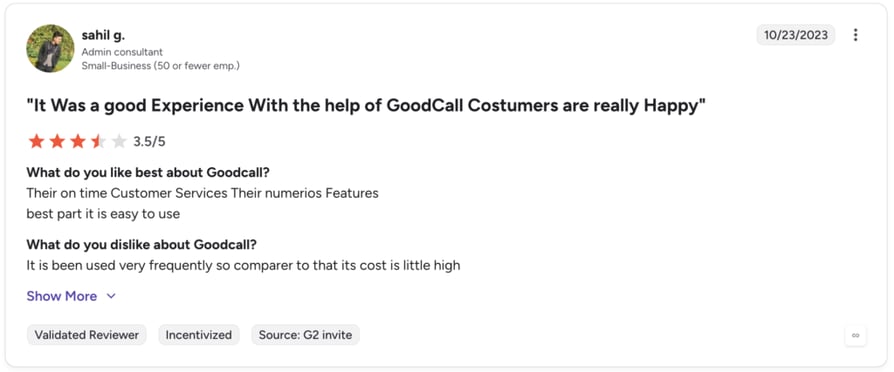
| 5. Goodcall | From $59/mo | 2.9/5 (Trustpilot) | First-time voice AI testers | N/A | Drag-and-drop workflow builder |
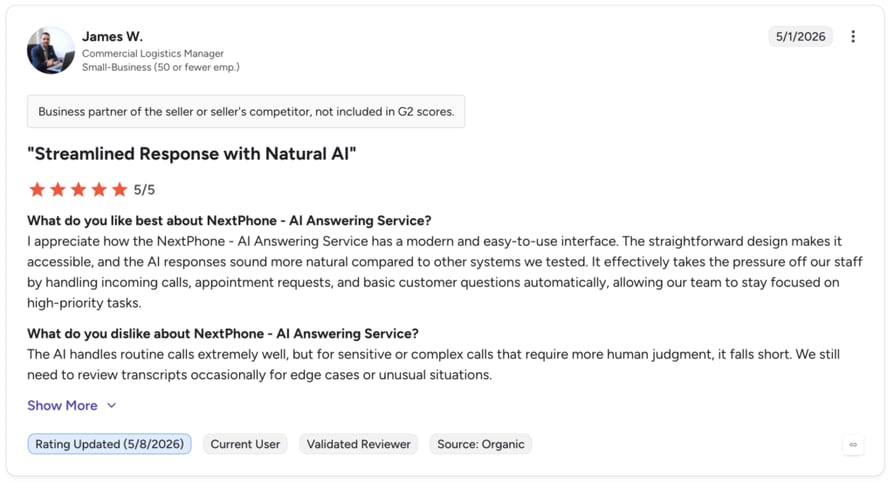
| 6. NextPhone | $199/mo flat | 5/5 (4 reviews, G2) | HVAC-built flat-rate AI | 7 days | Unlimited calls, emergency keyword routing |
| 7. Ruby | From $250/mo | 3.8/5 (12 reviews, G2) | Premium human receptionists | N/A | 100% US-based agents, 20+ years of experience |
Join CloudTalk and get your AI virtual receptionist in no time.
1. CloudTalk — Best HVAC Virtual Receptionist for Full VoIP + AI Combined
What Is CloudTalk?
CloudTalk is a cloud-based call center and AI virtual receptionist platform built for businesses that need more than a standalone answering service. Its AI Voice Agent (CeTe) handles inbound HVAC calls 24/7—qualifying leads, booking appointments directly into your scheduling system, and routing emergencies to on-call technicians—all while syncing automatically to your CRM. It also serves as an AI answering service for property management teams handling maintenance calls, with the same 24/7 availability and automated routing.
Founded in 2016 and serving 5,500+ businesses worldwide, CloudTalk combines owned telephony infrastructure across 160+ countries with AI-powered features including call transcription, sentiment analysis, and voice agents.
Key Features of CloudTalk
- AI Voice Agents for 24/7 inbound and outbound call handling in 60+ languages
- After-hours call handling with intelligent emergency routing
- 100+ integrations with CRM systems, including HubSpot, Salesforce, and Pipedrive
- Real-time call transcription, AI summaries, and sentiment analysis
- Power Dialer and Smart Dialer for outbound follow-up campaigns
- Local numbers in 160+ countries
Who Is CloudTalk Best For?
- HVAC companies and property management teams with 5–50 technicians that want a single platform combining inbound AI reception, automated maintenance call routing, outbound follow-up, CRM sync, and call analytics, without stitching together multiple tools.
CloudTalk's Pricing

- AI Receptionist plan: From $0/mo (50 minutes free for the first month); then $99 for 200 minutes/mo.
- AI Specialist plan: $349/mo (1,000 minutes included)
- Custom plan: $0.15/min (10,000+ minutes)
- Standard VoIP plans: From $25/user/mo (Starter)
- 14-day free trial, no credit card required
What Are CloudTalk's Pros & Cons?
| Pros | Cons |
|---|---|
| Full VoIP + AI receptionist in one platform — no need to stitch together multiple tools | No built-in email channel (handled via integrations) |
| Transparent pricing, no hidden API costs | No native videoconferencing tools (handled via integrations) |
| 1,702+ verified G2 reviews, 4.4/5 rating — G2 Spring Leader | No native ServiceTitan or Housecall Pro integration — connects via Zapier or HubSpot |
| 14-day free trial, no credit card required | |
| 24/7 customer support |
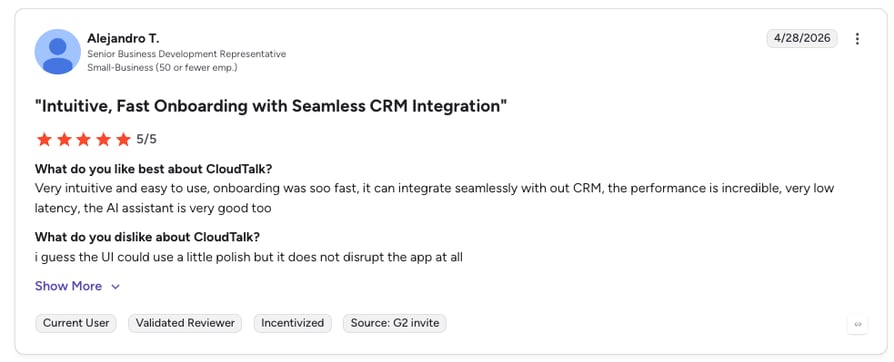
What Are Users Saying About CloudTalk?
2. Smith.AI — Best for Hybrid AI + Human Backup for Complex HVAC Calls
What is Smith AI?
Smith.ai is a hybrid virtual receptionist service combining AI-powered call handling with live North American agents. It is purpose-built for HVAC companies that handle sensitive situations—warranty disputes, emergency dispatch coordination, or high-value commercial clients, where human judgment matters.
With 10 years in business and 20M+ calls processed, Smith.ai is one of the most established hybrid answering services in the market.
Key Features of Smith AI
- Hybrid model: AI handles routine calls, live agents step in for complex situations
- Native integrations with ServiceTitan, Housecall Pro, and Jobber
- Structured HVAC intake — collects system type, age, urgency, and service needed on every call
- 24/7 coverage including weekends and holidays
- Bilingual support (English and Spanish) available as an add-on
- Spam and robocall filtering — you're only billed for legitimate business calls
Who Is Smith AI Best For?
- Established HVAC contractors with a budget for premium service who handle high-value commercial accounts or complex customer situations that require a human touch.
Smith AI's Pricing
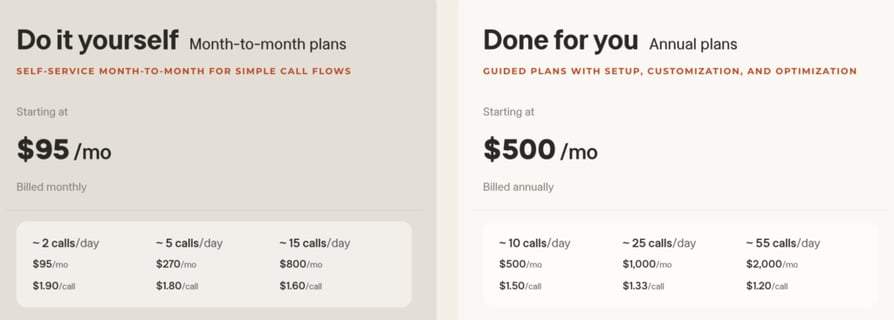
Note: Per-call pricing can spike significantly during peak HVAC season. At 100 calls/month on the AI plan, costs reach approximately $215/month. At 200 calls, that climbs to $455. A 30-day money-back guarantee is included on all Smith AI's pricing plans. $95 setup fee for new clients.
What Are Smith AI's Pros & Cons?
| Pros | Cons |
|---|---|
| Human fallback for complex or sensitive calls | Per-call pricing escalates fast during summer/winter surges |
| Native ServiceTitan and Jobber integrations | Significantly more expensive than AI-only alternatives at high volume |
| 10 years in business, 20M+ calls processed | $95 setup fee for new clients |
| 30-day money-back guarantee | No flat-rate unlimited plan |
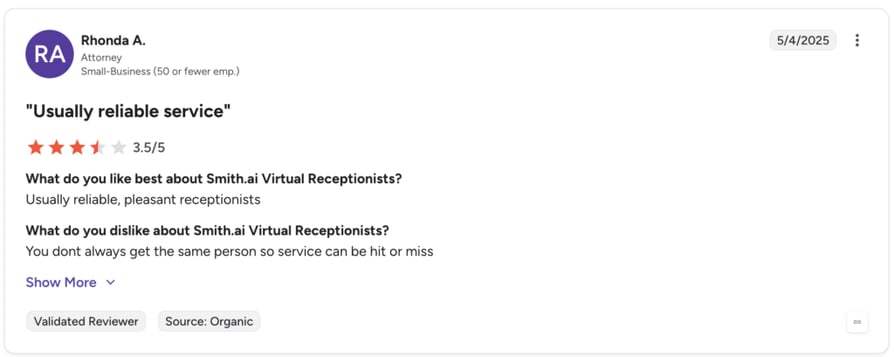
What Are Users Saying About Smith AI?
3. Rosie AI — Best Affordable After-Hours AI Answering for Solo HVAC Contractors
What is Rosie AI?
Rosie AI is a standalone AI answering service launched in 2024 and purpose-built for small trades businesses—HVAC techs, plumbers, and electricians that need something smarter than voicemail without the cost of a full receptionist service.
It scans your website and Google Business Profile to train the AI on your services, hours, and service areas in minutes.
Key Features of Rosie AI
- 24/7 AI call answering with unlimited minutes on Scale plan and above
- Bilingual support (English and Spanish)
- Instant call summary notifications via SMS and email after every call
- Spam and sales call filtering
- Appointment booking available on Scale plan ($149/mo) and above
Who Is Rosie AI Best For?
- Solo HVAC contractors or 2–3 truck operations that need reliable after-hours coverage at a predictable low monthly cost, without changing their existing phone system.
Rosie AI's Pricing
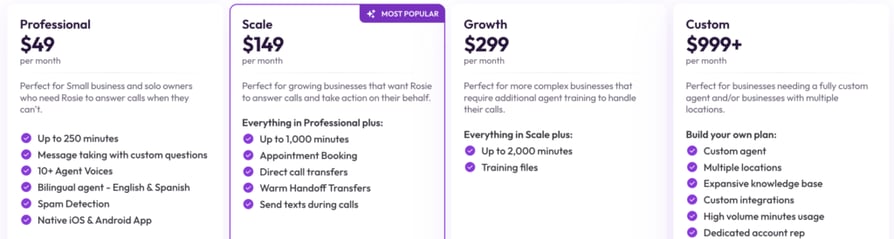
Note: 7-day free trial available, no contracts. Appointment booking is only available on the Scale plan ($149/mo) and above — the base Professional plan is message-taking only. See Rosie AI's pricing here.
What Are Rosie AI's Pros & Cons?
| Pros | Cons |
|---|---|
| Affordable entry point | Appointment booking locked behind $149/mo Scale plan |
| No phone system change required | Limited field-service software integrations |
| Fast setup — scans your website automatically | Small public review footprint—limited independent validation |
| Bilingual English/Spanish support included | Base plan is message-taking only, not a full receptionist |
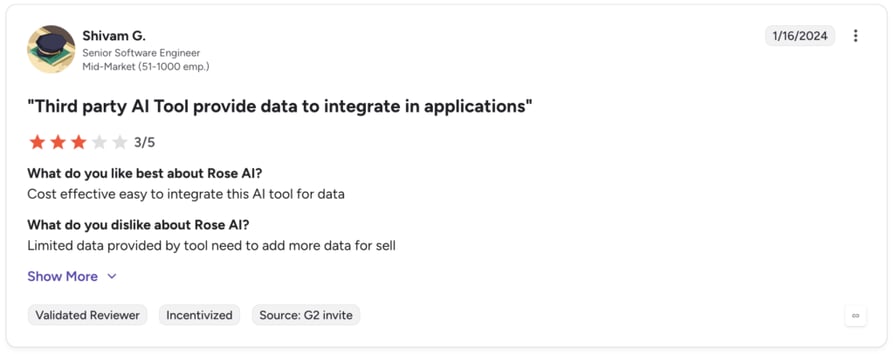
What Are Users Saying About Rosie AI?
4. Dialzara — Best Budget-Friendly Multilingual AI Receptionist for HVAC
What is Dialzara?
Dialzara is an AI answering service launched in 2023, offering unlimited call handling starting at $29/month—the lowest flat-rate price in this comparison. It supports 10 languages with automatic language detection, making it a strong fit for HVAC companies serving diverse communities. Setup takes approximately 15 minutes.
Key Features of Dialzara
- Unlimited concurrent call handling — no busy signals during peak season
- 50+ natural-sounding AI voices
- Multilingual support in 10 languages with automatic detection
- Appointment booking with Google Calendar sync
- Call transcription and SMS/email summaries after every call
Who Is Dialzara Best For?
- Budget-conscious HVAC teams serving multilingual communities that need reliable 24/7 AI answering with appointment booking at the lowest possible monthly cost.
Dialzara's Pricing

Note: No long-term contracts required. 7-day free trial available. View full Dialzara's pricing here.
What Are Dialzara's Pros & Cons?
| Pros | Cons |
|---|---|
| Low flat-rate price | Newer platform with limited independent review data |
| Unlimited concurrent calls — handles peak season surges | Less HVAC-specific than other competitors |
| 10-language multilingual support with auto-detection | No native ServiceTitan or Housecall Pro integration |
| No long-term contracts | Limited advanced call routing logic |
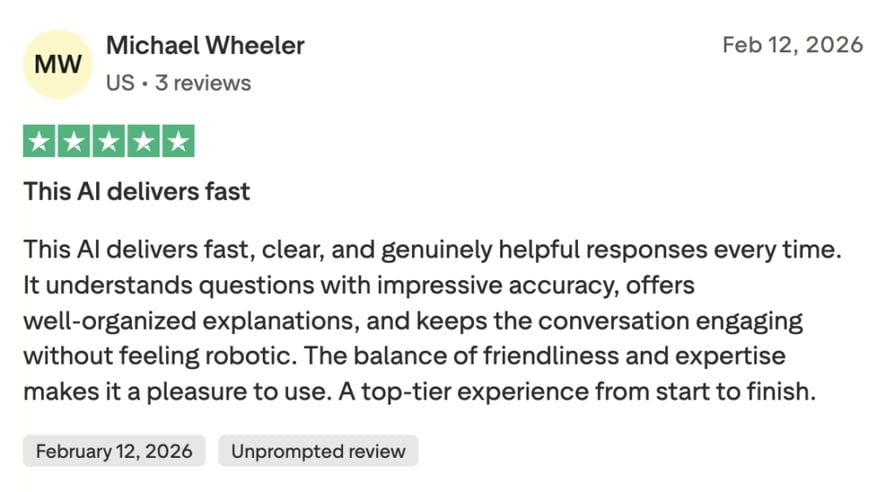
What Are Users Saying About Dialzara?
5. Goodcall — Best for Small HVAC Teams Testing Voice AI for the First Time
What is Goodcall?
Goodcall is an AI receptionist platform founded in 2021 with a drag-and-drop workflow builder that lets HVAC business owners configure call logic themselves—no engineering support required.
It's particularly well-suited for teams with structured intake needs, such as distinguishing an emergency repair from a routine maintenance inquiry. Goodcall is HIPAA-compliant, making it suitable for healthcare-adjacent HVAC clients.
Key Features of Goodcall
- Drag-and-drop workflow builder for custom call routing logic
- AI handles FAQs, lead qualification, and appointment booking
- HIPAA-compliant call flows
- Multi-location agent support and team dashboards
- Unlimited call minutes within the customer cap
Who Is Goodcall Best For?
- Small HVAC teams with 1–10 technicians that want an easy-to-configure AI receptionist with structured call logic and don't need deep field-service software integrations.
Goodcall's Pricing
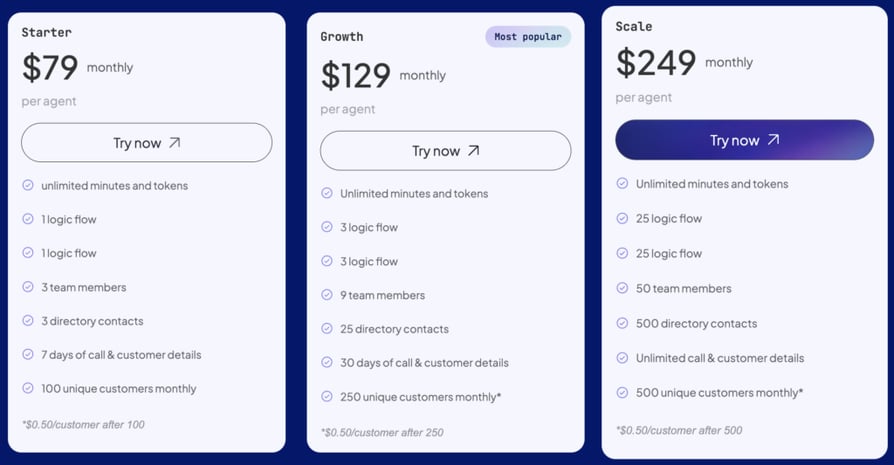
Note: You can view the whole Goodcall's pricing here.
What Are Goodcall's Pros & Cons?
| Pros | Cons |
|---|---|
| Most configurable workflow builder at this price point | Unique customer cap limits scalability for high new-caller volumes |
| HIPAA-compliant — suitable for regulated use cases | No number porting available |
| Consistently recommended for local service businesses | Limited multilingual support vs. Dialzara |
| Easy self-service setup, no developer required | SMS capabilities absent on entry-level plans |
What Are Users Saying About Goodcall?
6. NextPhone — Best Flat-Rate AI Answering Service for HVAC Contractors
What is NextPhone?
NextPhone is an AI answering service built specifically for contractors and home service businesses—including HVAC technicians, plumbers, and electricians.
Unlike generic AI receptionists, NextPhone was trained on real contractor call patterns, understanding that HVAC contractors often can't answer because they're on a ladder, under a house, or driving between jobs, so the AI is designed to gather all needed information the first time instead of requiring callbacks. It offers a single, flat-rate plan at $199/month with unlimited calls and no overage charges.
Key Features of NextPhone
- Unlimited concurrent call handling — no busy signals during peak season surges
- Emergency keyword detection — routes urgency phrases like "no cooling," "furnace not working," and "pipe burst" directly to your on-call technician
- 20+ languages included at no extra cost — no per-call language surcharges
- Answers in under 5 seconds, 24/7
- 100+ integrations — logs calls directly to your CRM, calendar, and job management tools
- Morning email summaries with transcripts of overnight calls
Who Is NextPhone Best For?
- HVAC contractors handling 50–200+ calls per month who need predictable flat-rate pricing that doesn't spike during summer heat waves or winter cold snaps, and want a platform purpose-built for the trades rather than a generic small business tool.
NextPhone's Pricing
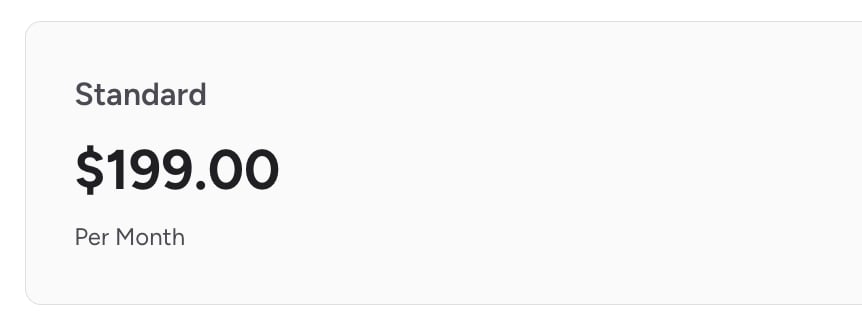
- Single plan: $199/month flat rate
- Unlimited calls—no per-minute charges, no overage fees, no holiday surcharges
- No setup fees, no contracts
- 7-day free trial available
Note: Click here to view NextPhone's pricing.
What Are NextPhone's Pros & Cons?
| Pros | Cons |
|---|---|
| Flat-rate unlimited pricing — no surprises during peak season | Single pricing tier — no entry-level option for low-volume contractors |
| Purpose-built for HVAC and trades — trained on contractor call patterns | No human fallback option — AI-only, complex calls forward to your phone |
| Emergency keyword detection routes urgent calls instantly | Limited independent review data — primarily vendor-produced case studies |
| No setup fees, no contracts, 7-day free trial | Newer platform — less established track record than other competitors |
What Are Users Saying About NextPhone?
7. Ruby — Best Premium Human Receptionist for High-Value HVAC Clients
What is Ruby?
Ruby is one of the longest-standing human virtual receptionist services in the market, with 20+ years in operation and 15,500+ business clients.
Its 100% US-based receptionists deliver a premium caller experience — ideal for HVAC companies serving high-end residential or commercial clients where first impressions directly influence contract value.
Key Features of Ruby
- 100% US-based receptionists, 24/7 including holidays
- Bilingual support (English and Spanish)
- Appointment scheduling and lead capture
- No setup, activation, or onboarding fees
- Optional AI enhancements included at no extra cost on all plans
Who Is Ruby Best For?
- Premium HVAC companies serving commercial or high-value residential clients where a professional, human-first caller experience is a differentiator — and budget is not the primary constraint.
Ruby's Pricing
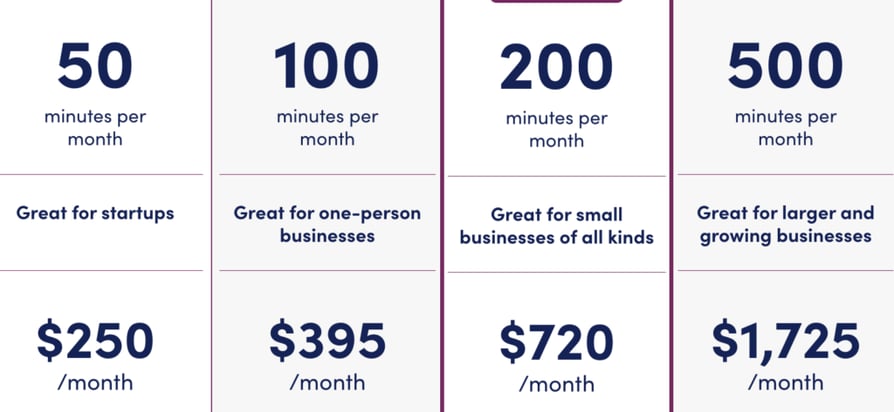
Note: No contracts — cancel anytime. No hidden fees. Per-minute overage charges apply beyond plan limits. Click here to view Ruby's pricing.
What Are Ruby's Pros & Cons?
| Pros | Cons |
|---|---|
| Premium human caller experience — 20+ years of reputation | Expensive for high-volume HVAC operations — at 200 calls/month (avg 3 min), costs exceed $700/month |
| No hidden fees — transparent, all-inclusive pricing | No AI emergency keyword detection |
| No contracts — cancel anytime | No direct ServiceTitan or field-service software integration |
| Optional AI enhancements included at no extra cost | Per-minute billing spikes significantly at 200+ calls/month |
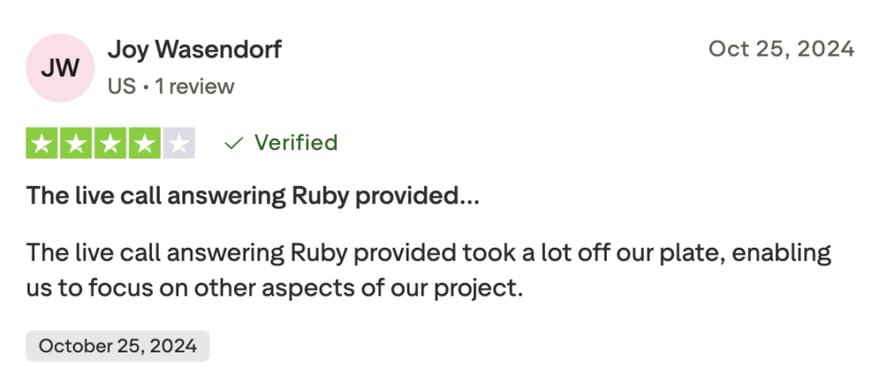
What Are Users Saying About Ruby?
Done searching? Let's get you set up.
How to Choose the Right HVAC Virtual Receptionist
Choosing the right virtual receptionist for HVAC companies comes down to four practical questions. Here's how to evaluate each one before you commit.
Does It Integrate With Your HVAC Software?
- The most overlooked factor in this decision is software compatibility. A virtual receptionist that can't sync with your existing tools creates more admin work, not less.
- The gold standard for HVAC operations is direct integration with ServiceTitan, Housecall Pro, Jobber, or FieldEdge — meaning appointments booked during a call appear on your calendar automatically, without manual entry.
- If your platform isn't natively supported, verify whether a Zapier or webhook connection is available before signing up — and test it before committing.
Does It Handle 24/7 Availability and Emergency Calls?
- For HVAC businesses, after-hours and 24/7 availability is non-negotiable — a significant portion of HVAC calls come after business hours, when emergency work commands the highest job values. Any platform you evaluate must answer the following:
- Does it detect emergency keywords like "no heat," "AC not cooling," or "furnace not working"?
- Does it route those calls immediately to an on-call technician — not a voicemail?
- Can it handle unlimited concurrent calls during a heat wave or cold snap?
- AI platforms handle these scenarios better than human services during peak season — a human answering service can only take one call at a time, while AI handles unlimited simultaneous calls without degradation.
Should You Choose AI or a Human Receptionist?
- AI virtual receptionists (tens of $ per month) — handle routine calls — scheduling, FAQs, lead qualification, and emergency routing — instantly and at unlimited scale. They don't take sick days, don't spike in cost during busy seasons, and deliver consistent results. They're the right choice for most HVAC teams.
- Human virtual receptionists (hundreds/thousands of $ per month) — add empathy and judgment for complex situations — warranty disputes, upset customers, and high-value commercial accounts. They cost significantly more and can't scale to handle simultaneous calls the way AI can.
- Hybrid services (Smith.ai) — combine both — AI handles routine calls while humans step in for escalations. This is the most expensive model but offers the best coverage for HVAC companies with diverse call types.
Does the Pricing Model Hold Up During Peak Season?
- This is the question most HVAC contractors miss until their first summer bill arrives. Per-call and per-minute pricing models are affordable at low volume — but they spike dramatically during heat waves and cold snaps when call volume doubles or triples overnight.
- Before signing up, calculate your expected cost at 3x your normal call volume — that's your real worst-case monthly bill during peak season. If the number is uncomfortable, choose a flat-rate platform. Flat-rate pricing eliminates the peak-season cost anxiety that per-minute services create.
Try CloudTalk's AI virtual receptionist
for free.
Key Benefits of Using a Virtual Receptionist for HVAC Companies
An HVAC virtual assistant does more than answer phones. Here's what HVAC companies consistently report after implementation:
- Never miss a service call or emergency leadChoosing the right answering service for HVAC company operations means every call is answered, every lead is captured, and every emergency is routed to the right technician — even at 2 AM during a winter cold snap. 85% of callers who reach voicemail don't leave a message — they move on immediately.
- Reduce overhead without reducing coverageA full-time in-house receptionist costs $36,920/year in salary alone, before benefits, payroll taxes, and training. AI virtual receptionists handle the same call volume for tens-hundreds of $/month — a fraction of the cost, with no sick days, no vacations, and no overtime.
- Improve customer satisfaction with faster response timesCustomers calling during a heat wave aren't patient. An AI receptionist answers in under 5 seconds, every time, with a consistent and professional tone. Faster response times directly correlate with more 5-star reviews mentioning responsiveness.
- Seamless appointment schedulingThe best platforms book directly into your calendar while the caller is still on the line, eliminating phone tag and scheduling conflicts. CloudTalk's appointment scheduling integration syncs confirmed jobs to your CRM automatically after every call.
- Scale instantly during peak seasonsSummer heat waves and winter cold snaps can triple your call volume overnight. Unlike a human receptionist who handles one call at a time, AI handles unlimited concurrent calls with no degradation in quality — no busy signals, no hold music, no missed emergencies.
- Keep your technicians focused on billable workEvery minute a technician spends answering routine scheduling calls is a minute they're not on a job. A virtual receptionist filters, qualifies, and routes calls so your team only handles conversations that require a human.
Signature Capability
See CloudTalk’s AI Voice Agent in Action!
CeTe is an AI that talks like a human: no breaks, no training, no time off. It makes and answers calls, updates CRMs, books meetings, and loops in a human only when needed.
Press play to hear it. Want a wow moment? Get a free test call and try it live.

Features to Look for in an AI Answering Service for HVAC and Property Management
Not all virtual receptionist features matter equally for HVAC. These are the six capabilities that directly impact revenue and operational efficiency for contractors.
- Intelligent call routing and emergency prioritization
- 24/7 availability with concurrent call handling
- CRM and HVAC software integration
- Appointment scheduling automation
- Bilingual support
- Call recording, transcription, and reporting
Getting Started with an HVAC Virtual Receptionist
Most HVAC contractors can go live with a virtual receptionist in less than a day. Here's how to approach it:
- 01Step 1 — Audit your current call volume and missed call rate.How many calls do you receive per day? How many go unanswered? What's your average job value? Even conservative estimates reveal whether the ROI justifies the investment — and which pricing model fits your volume.
- 02Step 2 — Choose a platform that matches your use case.Use the criteria above — integrations, emergency routing, pricing model, and AI vs. human — to narrow your list. If you're unsure, start with a free trial on an AI platform like CloudTalk before committing to a higher-cost human service.
- 03Step 3 — Customize your call scripts and intake questions.Spend 30–60 minutes on this step. A well-trained receptionist captures more leads and creates a better caller experience than a generic out-of-the-box setup.
- 04Step 4 — Connect your scheduling software and CRM.Set up the integration before you go live. Test it with a real call to confirm appointments sync correctly. A broken integration discovered during a heat wave is significantly more disruptive than one caught during setup.
- 05Step 5 — Run a pilot period before fully committing.During the first weeks after setup, measure pickup rate, lead capture accuracy, and appointment-booking reliability against your baseline. Adjust scripts and routing logic based on what you observe.
Why CloudTalk is the Smartest Way to Scale Your HVAC Front Desk Operations
Most virtual receptionist services solve one problem — answering calls. CloudTalk solves the entire front desk operation.
Its automated call distribution routes every inbound call to the right destination instantly — emergency to on-call tech, scheduling inquiry to the AI booking agent, existing customer to the relevant team member — without manual intervention.
Combined with instant CRM syncing, your team handles significantly more call volume without adding office staff. Every call is logged, transcribed, and summarised automatically, so nothing falls through the cracks, whether your team is on a job site or in the office.
For growing HVAC companies that need reliability, scalability, and full visibility into every customer interaction, CloudTalk is the platform that grows with you, from a 3-truck operation to a multi-location fleet, without requiring a platform migration.
Try CloudTalk's Virtual Receptionist for HVAC Companies Today
Conclusion
HVAC contractors can't afford to miss calls — and in 2026, there's no reason to. Whether you run a solo operation or a multi-truck fleet, a dedicated virtual receptionist captures every lead, routes every emergency, and books every appointment while your team stays focused on the job.
The right choice depends on your specific situation. CloudTalk is the strongest all-around option for HVAC teams that want a full VoIP platform with built-in AI reception, transparent pricing, and deep CRM integrations.
But, as this article proved, there are many other viable options. Therefore, it's recommended to assess your needs and choose a solution that suits them. Whichever platform you choose, the math is consistent: one captured emergency job per month pays for most of these services many times over.
Sources
2 Why Home Service Businesses Can't Afford Downtime
3 BLS.gov
Frequently asked questions
An HVAC answering service answers inbound calls on behalf of your business 24/7, qualifying leads, booking appointments, and routing emergency calls to on-call technicians. AI-powered services handle this automatically without human involvement.
Most platforms connect to ServiceTitan, Housecall Pro, and Jobber either natively or via Zapier. CloudTalk offers 100+ native integrations that sync call data, appointments, and AI summaries directly to your CRM after every call — no manual entry required.
Yes. AI receptionists detect urgency keywords like "no heat", "AC not cooling", or "pest control", and route those calls immediately to your on-call technician. CloudTalk's after-hours call handling ensures emergency calls never go to voicemail, even at 2 AM during peak season.
For most HVAC companies, AI delivers better value — lower cost, unlimited concurrent calls, and no per-minute billing spikes during seasonal surges. Human services add empathy for complex situations but cost 5–10x more.
Emergency call routing, 24/7 availability, concurrent call handling, appointment scheduling automation, CRM integration, and bilingual support. These six features directly impact lead capture and revenue — everything else is secondary.
AI platforms like CloudTalk, Rosie AI, and Dialzara go live in under an hour. Human services like Smith.ai typically require 2–5 business days for script customization and agent training. Either way, most HVAC contractors see measurable results — more captured calls, more booked jobs — within the first two weeks.
Yes — CloudTalk handles inbound maintenance calls for property management teams the same way it does for HVAC contractors: 24/7 AI answering, urgency-based routing, and automatic logging into your CRM or property management system.