The Top AI Trends and Business Benefits Shaping 2026: According to SaaS Experts
Artificial intelligence is quickly becoming part of everyday business operations. To understand where things are heading next, we asked professionals across SaaS, marketing, and product teams how they are currently using AI and what role they expect it to play by 2026.
Why you should pay attention
Their answers reveal an important shift: AI is moving beyond experimental tools and becoming an operational layer that supports daily decisions, customer interactions, and team productivity.
TL;DR: The Top AI Trends Shaping 2026
By 2026, AI is expected to transition from an experimental tool to an operational layer embedded in every business workflow. For SMBs, this means smaller teams can achieve enterprise-level output by automating "busywork" and focusing on strategic growth.
Key Takeaways:
- Operational Efficiency: AI is driving practical productivity by automating routine tasks and significantly cutting processing times across departments.
- Autonomous Workflows: AI agents are evolving from basic assistants into autonomous systems that execute complex, multi-step processes without human intervention.
- Conversational Data: AI transforms raw customer conversations into structured, actionable data to instantly uncover insights and sentiment.
- Instant Localization: AI eliminates translation bottlenecks, allowing businesses to rapidly expand globally without expensive agency overhead.
- Data-Driven Sales: AI replaces guesswork with behavioral signals, helping sales teams prioritize leads with the highest probability of converting.
Stop on top of most recent AI trends
How Professionals Expect AI to Shape Business Workflows by 2026
The Core Idea: AI has moved from a theoretical future concept into the daily operational backbone of modern businesses. Rather than operating as a standalone tool, AI is now deeply embedded across everyday workflows, eliminating repetitive tasks, accelerating data insights, and acting as a powerful force multiplier that allows teams to scale their output without scaling their headcount.
Here is how these changes are playing out in practice:
Embedded Workflows
AI acts as a continuous support layer rather than an occasional tool. Teams now seamlessly integrate it into their daily routines to draft content, summarize conversations, and organize cross-system data. This speeds up daily execution and decision-making while keeping human strategy at the helm.
Operational Efficiency
Saving time is the most immediate and tangible benefit. By automating heavy manual tasks like research and data organization, businesses unlock new capacities:
- Drastically reducing hours spent on repetitive busywork.
- Redirecting focus toward high-impact strategic and creative work.
- Managing significantly larger workloads without needing to expand the team.
Accessible Data Insights
AI instantly processes massive amounts of information from campaigns and customer interactions to uncover hidden patterns. This rapid analysis allows teams to:
- Spot performance trends much earlier.
- Pivot and adjust strategies on the fly.
- Make confident decisions based on clear, data-driven signals instead of assumptions.
Amplified Output for Small Teams
AI is leveling the playing field, enabling smaller organizations to operate with the efficiency of much larger ones. By automating routine execution and streamlining insights, smaller teams can:
- Launch campaigns and projects significantly faster.
- Run more experiments and iterate quickly.
- Boost overall productivity across every department.
How AI is Rewiring Everyday Business Operations in 2026
Artificial intelligence is entering a new phase. Over the past few years, companies experimented with AI tools for tasks like content generation, automation, and analytics. Today, many teams are moving beyond experimentation and integrating AI directly into their daily workflows.
To understand where AI is delivering the most value and where it might be heading, we asked professionals from SaaS, marketing, and technology companies how they currently use AI and which trends they expect to shape the next few years.
Their responses reveal a consistent pattern: the biggest impact of AI today is not flashy innovation but practical improvements in productivity, decision-making, and operational efficiency. At the same time, many expect the next wave of AI to go further, moving from helpful tools to systems capable of executing entire workflows.
Below are the trends they believe will define AI in 2026.
Trend 1: AI is becoming a productivity engine for modern teams
One of the clearest patterns across the responses is the role of AI in improving operational efficiency. For many companies, the first measurable benefits come from reducing repetitive work and allowing teams to accomplish more without expanding headcount.
Kickresume
Tomáš Ondrejka sees this shift clearly in his marketing team. Kickresume produces a large volume of content, including landing pages, ads, emails, product updates, and localized website versions.
Before AI, increasing output meant hiring additional staff or outsourcing work to agencies. Today, AI tools allow much of this work to be completed internally and much faster.
Translations provide a good example. Localization used to require working with external agencies and waiting for updates. With AI, translations can now be generated almost instantly.
AI also speeds up tasks like drafting campaigns, researching topics, and compiling reports. Instead of focusing on minor wording changes or administrative work, senior team members can spend more time on strategic initiatives.
Looking ahead, Ondrejka believes AI coding assistants will have a major impact on development productivity. Developers can already write, test, and debug code faster with AI tools, allowing smaller teams to build more sophisticated products.
Tomáš Ondrejka; CMO at Kickresume
Productive.io
Mia Maček has observed a similar pattern across service-based businesses.
Productive.io recently analyzed AI adoption across more than 180 agencies and consultancies. The results show that AI’s biggest impact today comes from improving internal workflows rather than creating entirely new services.
Agencies are using AI to streamline tasks such as documentation, reporting, research, proposal writing, and content drafts. These tasks may not be glamorous, but they consume a significant amount of time.
By automating parts of these workflows, teams can deliver the same work with fewer internal hours.
According to Productive’s research, over 60% of agencies reported some positive impact on revenue or margins from AI adoption. However, most of that improvement came from efficiency gains rather than new revenue streams.
For Mia Maček, this suggests that AI currently acts as a margin and capacity lever.
Mia Maček; Content Specialist at productive.io
KrispCall

Yunesh Karki from KrispCall also highlights operational efficiency as the most immediate return from AI adoption.
Organizations can reduce overhead by automating routine administrative tasks such as scheduling, data entry, and basic customer support interactions.
These improvements may seem incremental individually, but together they significantly reduce manual work and free up time for more strategic tasks.
Yunesh Karki; SEO Analyst at KrispCall
Marlee
Sylvester Jalnaiz from Marlee believes efficiency-focused AI implementations produce the clearest and most measurable return on investment.
Automation tools can reduce processing time by 30–70% across workflows such as customer support operations, HR screening, financial reconciliation, and content production.
More importantly, these improvements allow employees to focus on higher-value work instead of repetitive tasks.
Sylvester Jalnaiz; Community Outreach Specialist at Marlee
Stop Paying Your Team to Do Busywork
Trend 2: AI is transforming how marketing and sales teams make decisions
Another major theme across the responses is AI’s growing role in sales and marketing effectiveness.
Instead of relying solely on intuition, teams are increasingly using AI to analyze data, identify opportunities, and optimize campaigns.
Spacebring
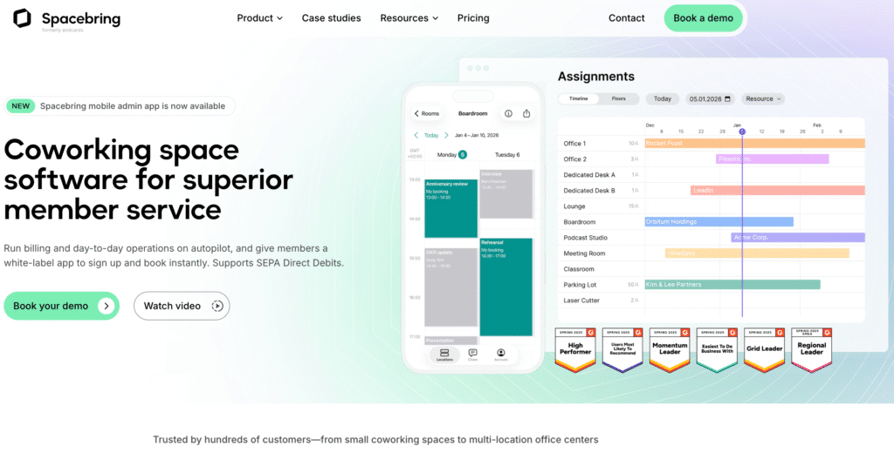
Sam Ahmad from Spacebring focuses on how AI improves marketing performance and organic growth strategies.
AI tools help identify technical gaps, optimize metadata based on search intent, and analyze performance patterns across websites much faster than manual audits.
For example, AI-driven improvements to titles and descriptions can increase click-through rates, while technical optimizations, such as reducing page load times can significantly increase engagement and conversions.
Ahmad believes the next step will be AI systems that automatically adjust marketing strategies based on real-time data.
Sam Ahmad; SEO Specialist at Spacebring
Paymo
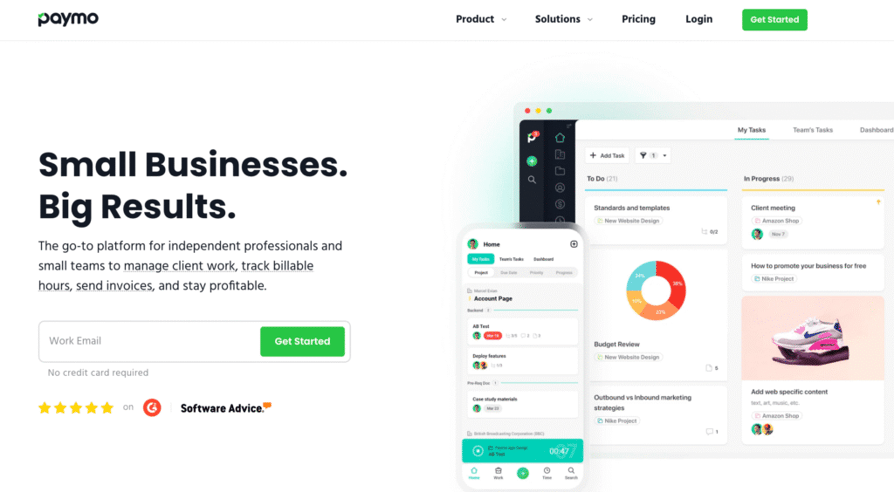
Adrian Domocos from Paymo sees AI having an especially strong impact in sales and marketing because results in these areas are easy to measure.
AI helps sales teams prioritize leads based on behavioral signals rather than intuition. This allows them to focus their time on prospects with a higher probability of conversion.
On the marketing side, AI improves targeting and campaign personalization based on user behavior.
Even small improvements in conversion rates or customer acquisition costs can produce significant revenue gains when applied at scale.
Adrian Domocos; SEO & Outreach Specialist at Paymo
Coupler.io
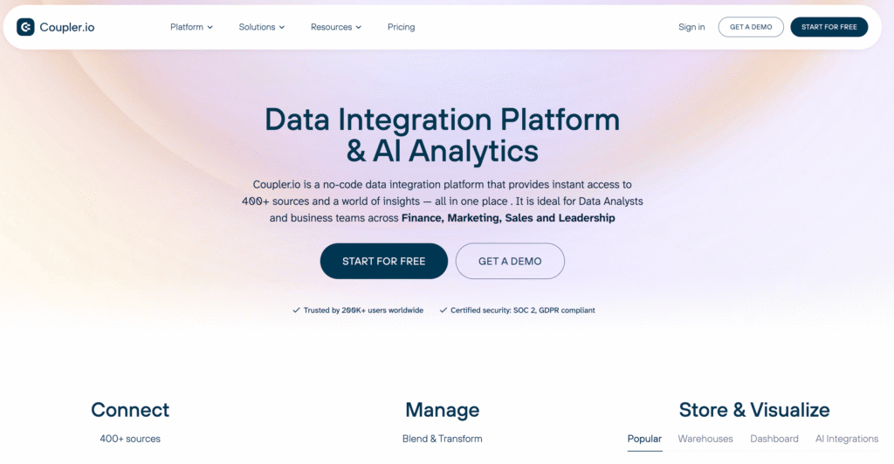
Ivan Burban from Coupler highlights the role of AI in marketing analytics.
His team uses AI agents to analyze blog performance, identify new topic clusters, and investigate anomalies in traffic or product usage.
What previously required several days of manual analysis can now be completed in a matter of hours.
Burban believes the next stage of AI adoption will focus on context-aware AI systems. Instead of delegating tasks blindly, organizations will combine AI tools with structured data pipelines and human oversight to produce more accurate insights.
Ivan Burban; Head of Marketing at Coupler
Pics.io
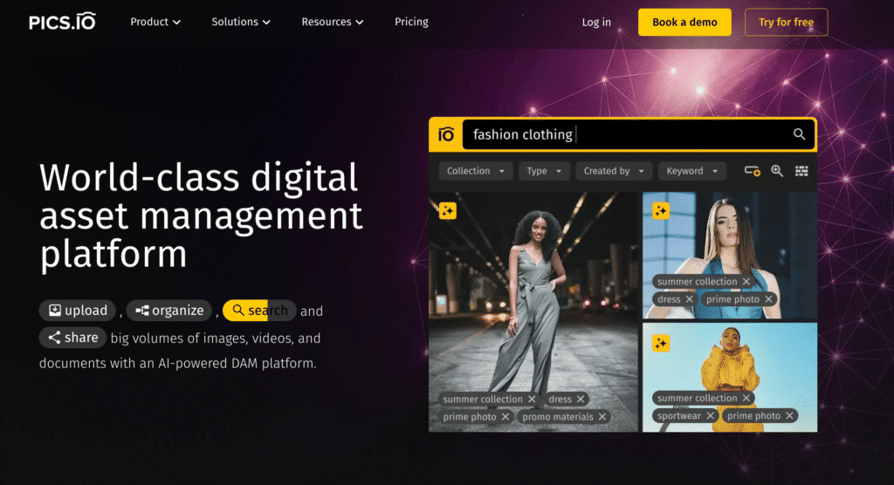
Vyacheslav Basov from Pics.io has seen AI significantly reduce the amount of manual research required for outreach.
Previously, identifying potential link-building partners required manually reviewing large lists of websites. AI tools now automate much of that filtering process and generate lists of relevant partner sites.
AI also helps identify influencers and content creators aligned with the company’s audience.
Basov estimates that these tools save his team roughly 15–20 hours per week on data scraping tasks.
Vyacheslav Basov; SEO Outreach Specialist at Pics.io
Turn Every Phone Call into Actionable Data
Trend 3: Autonomous AI agents may reshape workflows by 2026
While current AI tools mostly assist humans, several respondents believe the biggest shift in the coming years will be the rise of autonomous AI agents.
These systems will move beyond generating text or analyzing data and begin executing complex workflows. If you're wondering what is Sora, it's a fitting example of this shift — OpenAI's AI video generation model that creates rich media autonomously rather than simply assisting humans.
Zoviz
Anzal from Zoviz believes the most immediate value of AI today comes from improving operational efficiency, which naturally leads to cost reduction. When teams are able to automate repetitive work and complete tasks faster, they need fewer resources to achieve the same outcomes.
Looking ahead to 2026, Anzal expects the biggest shift to come from AI agents and autonomous workflows.
While generative AI has already transformed content creation, helping teams produce text, images, and videos more quickly, the next stage will focus on AI systems that can execute tasks rather than simply generate outputs.
In practical terms, this could mean AI agents that analyze campaign performance, generate marketing creatives, launch campaigns, optimize bids, and produce reports automatically. Instead of humans coordinating each step manually across multiple tools, AI systems could handle entire workflows across platforms and databases.
According to Anzal, this shift could significantly change how companies operate. Smaller teams may be able to run complex marketing, sales, or support operations that previously required large departments. Businesses that adopt AI-native workflows early could benefit from faster iteration cycles, lower operational costs, and more data-driven decision-making.
Anzal; Marketing Manager at Zoviz
SocialPilot.co
Dilip Kumar from SocialPilot emphasizes the growing importance of AI adoption across industries.
From his perspective, artificial intelligence is becoming an essential component of modern business operations. As companies continue to integrate AI into their workflows, it will increasingly influence how teams approach tasks ranging from marketing and analytics to product development.
While specific applications may differ between organizations, the broader trend is clear: AI is rapidly becoming a core capability rather than an optional tool.
For Kumar, the key message is simple; businesses across nearly every field will need to adopt AI in some form in order to remain competitive in the coming years.
Dilip Kumar; SEO Expert at SocialPilot

Scale Your Output, Not Your Headcount

How We See AI Evolving at CloudTalk
Customers today expect instant answers, and call centers must keep up. To scale effectively, companies need to relentlessly save time and free up their human reps to focus only on the conversations that actually matter.
At CloudTalk, we see AI as the frontline of business communication—moving beyond passive analysis to active, real-time automation.
Here is how AI is reshaping the call center:
- AI Voice Agents & Virtual Receptionists: Human reps simply do not have the time for routine inquiries. AI now handles basic tasks, triages calls, and resolves common issues instantly so customers never have to wait.
- Focusing on High-Impact Calls: By offloading repetitive work to AI, human agents can protect their time and dedicate their energy to complex problem-solving and closing deals.
- Conversation Intelligence: Every interaction is a data goldmine. AI automatically transcribes calls, detects recurring objections, and analyzes customer sentiment without requiring a single manual note.
- Seamless CRM Integrations: AI instantly pushes call summaries, buying signals, and performance analytics directly into your CRM, giving teams immediate context for every follow-up.
Ultimately, the future of communication is about speed and insight. AI ensures teams can respond instantly while deeply understanding their customers.
Your Agents Should Be Talking, Not Typing
FAQs: Top AI Trends and Business Benefits in 2026
AI is primarily used as a productivity engine to automate repetitive administrative tasks, summarize data, and streamline workflows. In sales and support, AI tools transcribe conversations, log CRM data automatically, and provide real-time coaching insights.
Autonomous AI agents are next-generation AI systems capable of executing multi-step workflows without human intervention. Instead of just writing a draft, an autonomous agent can analyze data, formulate a strategy, and execute the corresponding actions across different software platforms.
AI improves business calls by acting as a real-time assistant. Features like AI Call Summaries eliminate manual note-taking, while Sentiment Analysis helps managers detect frustrated customers or strong buying signals instantly, allowing for highly targeted follow-ups and better team coaching.