
Phone Number Area Code Lookup
Find the area code for any city or state, or look up which region a 3-digit code covers. Powered by live telecommunications data, our phone area code lookup gives you instant details on cities, states, time zones, local time, and overlay codes.
Phone Area Code Lookup
What is an Area Code Lookup?
An area code lookup is a telecommunications database tool that identifies the geographic location, time zone, and regional coverage of a 3-digit phone number prefix. An area code finder pinpoints where a call originates or helps you find the correct code before dialing. When combined with a modern business phone system, understanding phone number prefixes allows teams to route incoming traffic efficiently and maintain clear caller records.
The tool provides two flexible search methods. You can look up by place by selecting a country, state, or city, or by entering a 5-digit ZIP code. You can also search directly by entering any 3-digit area code. The database returns immediate results, including primary cities, state boundaries, standard time zone offsets, current local time, and active overlay area codes. Whether you need to verify an unknown caller, check time zones before an outbound call, or optimize your team's caller-based routing rules, an area code search provides instant context.
What are the Benefits of Using an Area Code Lookup Tool?
- Identify unknown callers instantly: Search any unfamiliar 3-digit area code to find the exact city, state, and country of an incoming call or text message before adding it to your system.
- Avoid costly phone scams: Spot high-risk international numbers and phone scam codes before calling back, keeping your company's VoIP network safe from unexpected toll charges.
- Schedule outbound calls with time zone accuracy: Check standard time zones and current local times across regions so reps using our power dialer or smart dialer never call prospects outside business hours.
- Match ZIP codes to area codes easily: Enter any valid 5-digit ZIP code or postal code to reveal the exact area codes serving that specific municipality or neighborhood.
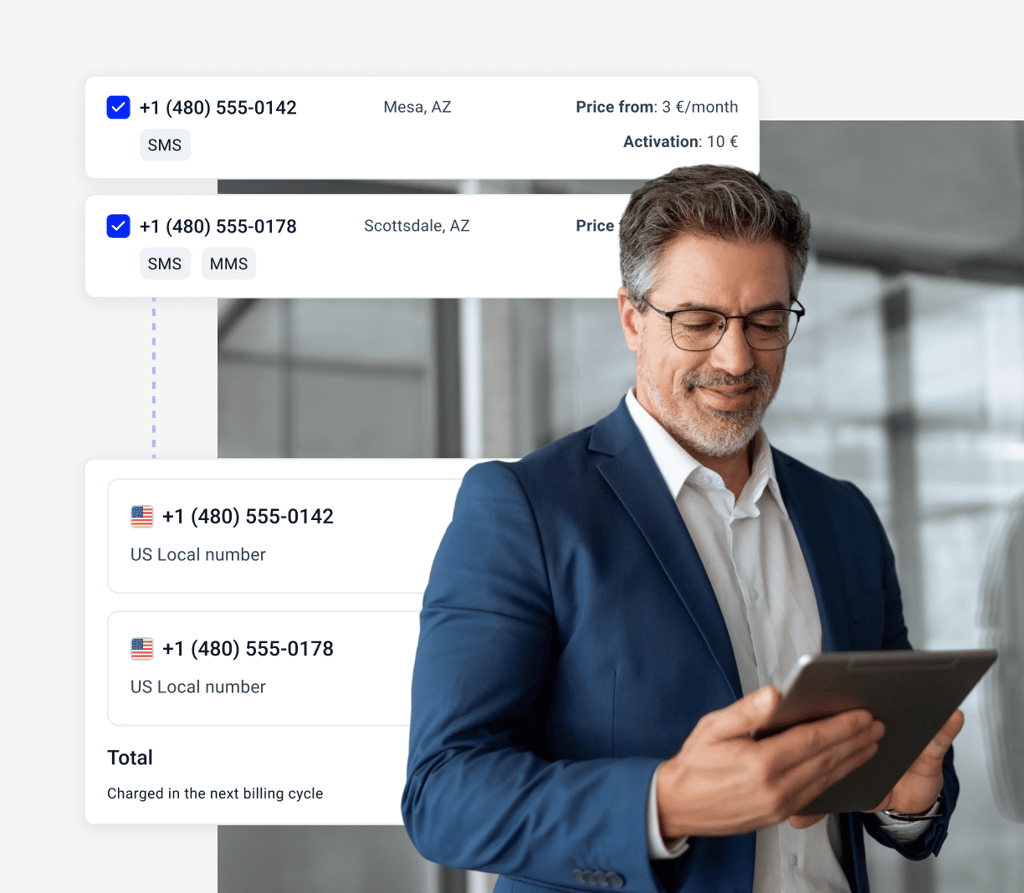
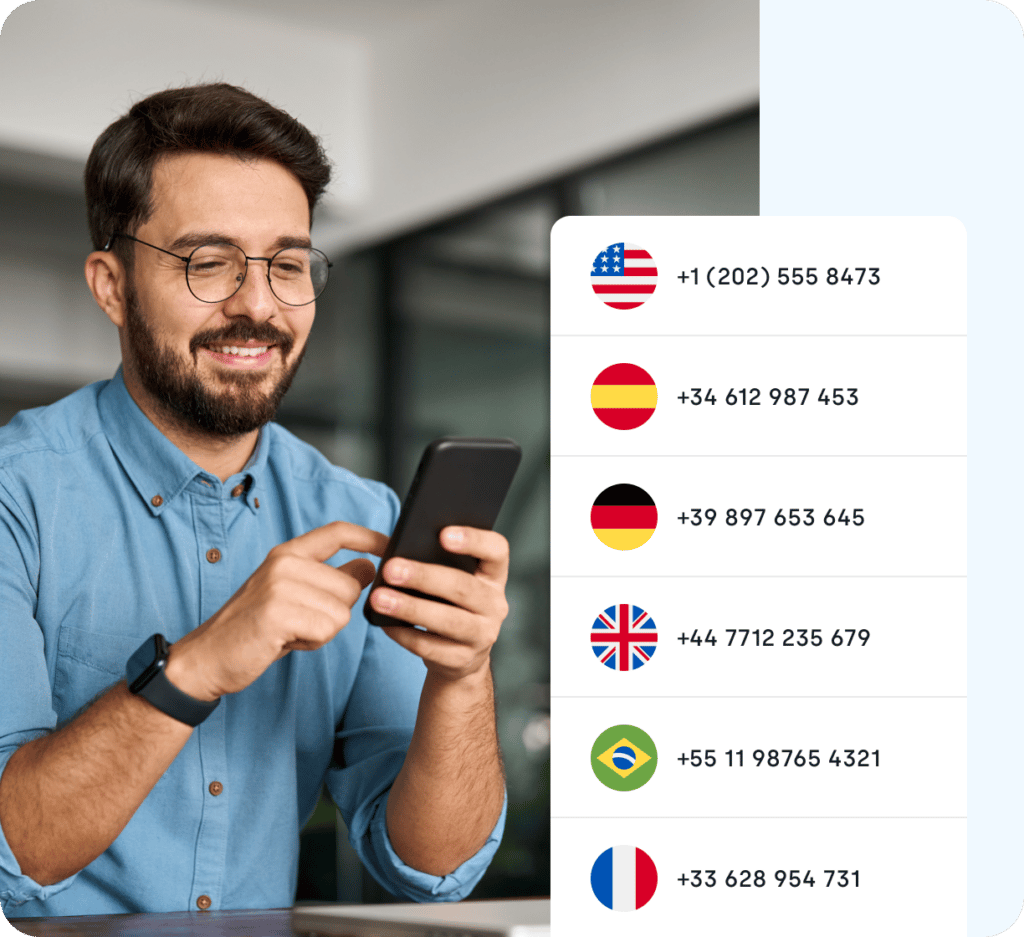
- Establish a local presence for market expansion: Identify regional area codes in target markets to acquire virtual local phone numbers, establish recognizable toll-free numbers, or expand internationally with dedicated international numbers.
How Does an Area Code Lookup Work?
Choose Your Search Method
Select Lookup by Place to search by state, city, or 5-digit ZIP code. To look up an existing phone prefix, select Lookup by Area Code and enter any 3-digit code.
Query the Telecom Database
The tool searches the active numbering directory, matching your query against postal boundaries, exchange overlays, city indexes, and time zone data.
Review Geographic & Time Zone Data
View your results instantly, including state or province, primary cities covered, standard time zone offset, current local time, and any overlay codes assigned to the region.

Ready to get started?
Join over 5,500+ modern companies that already trust CloudTalk to have MORE and BETTER calls.
Frequently asked questions
An area code is a 3-digit prefix assigned to a specific geographic region. It forms the first three digits of a standard 10-digit phone number, such as 212 in New York or 512 in Austin.
Yes. Standard telephone area codes in 10-digit dialing systems are exactly 3 digits long.
The area code is the first three digits of a 10-digit phone number. In international format, it sits directly after the country code. For example, in +1 (724) 555-0143, +1 is the country code and 724 is the area code.
No, +1 is not an area code. It is an international country calling code. The 3-digit area code follows directly after +1.
No, ZIP codes and area codes belong to two separate systems. A ZIP code is a 5-digit code used by postal services for mail routing. An area code is a 3-digit code used by telecommunications providers for call routing. Entering a ZIP code into our lookup tool shows which area codes serve that postal area.
To find your local area code, enter your city, state, or 5-digit ZIP code into the Lookup by Place search bar. To find the area code of your current phone number, check the first three digits of your 10-digit telephone number.
Enter any 3-digit prefix into the Lookup by Area Code search box. The tool displays the associated country, state or province, primary cities, time zone, and current local time.
Certain area codes outside domestic rate plans look like standard numbers but carry steep international toll rates. Five notable area codes to handle with caution include:
900: Premium-rate fee numbers
473: Grenada (frequently targeted in one-ring callback scams)
809 / 829 / 849: Dominican Republic
876: Jamaica
284: British Virgin Islands
An overlay area code is a secondary 3-digit code assigned to the exact same geographical territory as an existing area code. Overlays are introduced when phone numbers in the original code run out. For example, area code 737 is an overlay for area code 512 in Austin, Texas.
Area code 724 is located in southwestern Pennsylvania. It covers areas surrounding Pittsburgh, including cities such as Butler, New Castle, Washington, and Hermitage.
Area code 209 is in Northern California. It serves the Central Valley and Sierra Nevada regions, including Stockton, Modesto, Merced, and Yosemite National Park.
Georgia uses multiple area codes across different regions. Major Atlanta metropolitan area codes include 404, 770, 678, and 470. Other regional codes include 706 and 762 (North Georgia), 478 (Macon), and 912 (Savannah).
Area code 434 serves south-central Virginia, covering cities including Charlottesville, Lynchburg, Danville, and South Boston.
Area code 559 serves central California, primarily covering the city of Fresno and surrounding Central Valley communities such as Visalia, Madera, and Hanford.
Businesses pair local area codes with flexible virtual phone numbers to establish a local presence in any city without setting up physical offices. Calls coming into regional area codes can be routed automatically using interactive voice response (IVR), managed with smart call forwarding, or handled by automated AI voice agents. Teams can also evaluate team quality with call monitoring, record conversations via call recording, analyze performance in analytics, or move existing numbers across providers seamlessly through number porting.