Automazione dei call center: La tua guida completa
Automation in call center is a growing trend. According to Gartner research, by 2026, one in 10 agent interactions could be automated. That’s compared to only 1.6% in 2022. And that’s just direct customer interactions. There are plenty of other elements of call center operations that can also benefit from automation.
È quindi giunto il momento di imparare tutto quello che c’è da sapere sull’automazione delle chiamate e dei contact center. Ed è proprio quello che puoi fare qui.
Punti di forza:
- L’automazione dei call center è l’utilizzo della tecnologia AI per automatizzare determinati processi, rendendoli più veloci ed efficienti.
- L’AI delle conversazioni, l’elaborazione del linguaggio naturale (NLP) e l’apprendimento automatico sono tre aspetti della tecnologia AI che sono fondamentali per l’automazione delle operazioni dei call center.
- L’automazione dei call center può aiutarti a migliorare l’efficienza, la soddisfazione dei clienti, il coinvolgimento degli agenti e molto altro ancora.
- Le aree di automazione dei processi dei call center sono molte, tra cui l’automazione delle interazioni con i clienti, la programmazione e la formazione degli agenti, la previsione e altro ancora.
- Le soluzioni di automazione per call center, come CloudTalk, possono aiutarti a introdurre facilmente processi automatizzati nei tuoi flussi di lavoro.
Cos’è l’automazione dei call center?
L’automazione dei call center significa che la tecnologia dell’intelligenza artificiale (AI) completa le attività senza la necessità di un intervento umano. Può essere applicata alle interazioni con i clienti, così come ai numerosi flussi di lavoro e processi dietro le quinte che sono essenziali per le operazioni dei call center.
That makes for a good, simple call center automation definition, but what does that mean, in practice? The combination of automation and artificial intelligence with your current solutions can help improve existing processes.
For instance, it can support the establishment of an intelligent IVR, a tool that helps call centers handle many inbound calls more efficiently. That would otherwise be impossible.
La tecnologia alla base dell’automazione dei call center
La tecnologia di automazione dei call center si basa sull’IA, ma cosa significa veramente?
The most common automation applications in a call or contact center involve three main aspects of call center automation AI technology:
- Conversation intelligence: Conversation intelligence is the branch of AI that analyzes and understands conversations, be they written or spoken. It can identify not just what’s spoken about but also how, giving insights into sentiment and more.
- Elaborazione del linguaggio naturale (NLP): L’NLP aiuta l’intelligenza della conversazione a funzionare. È la capacità dell’IA di analizzare e sintetizzare il linguaggio, come fanno gli esseri umani nella vita reale. L’NLP è quindi fondamentale per i chatbot guidati dall’intelligenza artificiale, in quanto consente loro di intrattenere conversazioni autentiche e utili con i clienti.
- Apprendimento automatico: L’apprendimento automatico è il processo attraverso il quale qualsiasi applicazione AI diventa “più intelligente” nel tempo. È la capacità dell’IA di analizzare un numero sempre maggiore di dati e di migliorare le proprie risposte, senza l’intervento umano. Nel contesto delle interazioni automatizzate dei call center, è l’apprendimento automatico a garantire che la comunicazione tra l’IA e i clienti migliori nel tempo.
3 elementi chiave per far funzionare l’automazione del call center
Effective automation in call centers isn’t just about identifying processes or tasks to hand off to AI and then forgetting about them. Automated call center software should also feature these crucial elements:
#1 Integrazione con i processi esistenti: I flussi di lavoro automatizzati devono inserirsi perfettamente nelle operazioni esistenti. Ciò significa che l’automazione dietro le quinte (come l’aggiornamento dei CRM, la programmazione dei follow-up) deve avvenire senza ulteriori input da parte degli agenti.
#2 Espressione naturale: Gli strumenti di automazione dei contact center rivolti al cliente devono gestire le interazioni umane in modo fluido, dando al cliente la sensazione di una conversazione naturale. In altre parole, la comunicazione deve essere il più possibile simile a un’interazione tra esseri umani, sia in forma scritta che parlata. È qui che entra in gioco la PNL.
#3 Flessibilità linguistica: Ogni cliente comunica in modo diverso. Utilizzano espressioni specifiche, una pronuncia diversa e una varietà di accenti. Il software di automazione deve adattarsi e gestire perfettamente ogni tipo di comunicazione.
I vantaggi dell’automazione dei call center
Why is automation for call centers a necessity? It takes your business a step closer to an exceptional customer service experience. For example, by shortening waiting time or preventing unnecessarily long agent-customer interactions.
Inoltre, offre una serie di vantaggi per gli agenti e per la tua azienda nel suo complesso.
Ecco i principali vantaggi dell’automazione dei call center:
Migliora la tua efficienza
Uno dei maggiori vantaggi dell’automazione nel call center è che puoi migliorare l’efficienza. Applicando l’intelligenza artificiale ai tuoi processi, puoi snellirli per fornire un servizio di alta qualità ai clienti, in modo più rapido.
For instance, smart call routing—like CloudTalk’s Call Flow Designer—means you send customer calls to the agents who can solve their issues in less time. That’s great for each caller and also means your agents can handle more phone calls in a shorter space of time.
That’s not the only way automated contact center solutions can aid efficiency. You could also use conversation AI to power chatbot solutions that can handle simple queries with no agent involvement at all.
Anche in questo caso, si tratta di un’ottima cosa per il cliente che riceve una risposta alla sua domanda e per gli agenti che possono gestire questioni più complesse per gli altri. Un classico win-win.
Elimina le attività ripetitive
L’automazione dei call center non è qui per sostituire gli agenti umani. È qui per collaborare con loro, rendendo più semplice il loro lavoro quotidiano. Quando l’empatia di un essere umano e l’efficacia di un robot si uniscono, ecco che nasce il concetto di call center perfetto. Perché?
Automation motivates your employees to work more productively by eliminating repetitive tasks from their everyday routine. While tools like a robot voice generator take care of simple, well-defined tasks, your agents have more time to handle inquiries that require empathy and complex troubleshooting.
Automation can handle internal tasks, such as collecting customer information, entering data into CRMs, creating tickets, scheduling calls, and more. Just as automation removes repetitive work so agents can focus on meaningful tasks, students can reduce academic overload by using a writing service for complex assignments such as research papers or case studies.
This kind of workflow automation, therefore, is one of the key benefits of contact center automation.
Aumenta la soddisfazione dei clienti
According to Zendesk research, 81% of customers say a positive customer service experience makes them more likely to make another purchase from the brand in question.
L’importanza della soddisfazione dei clienti per le aziende, quindi, non può essere sopravvalutata. Il tuo call center o contact center è spesso la linea più diretta con i tuoi clienti, quindi è un punto di contatto cruciale per garantire la loro felicità.
Automated call center solutions can greatly improve your chances of boosting customer satisfaction. After all, greater efficiency means you’ll be able to serve more customers in a shorter period of time. Lower wait time is also clearly a positive for any customer.
What’s more, effective contact center automation also improves your chances of resolving any customer’s issue, first time. That’s important as research suggests that every 1% increase in first contact resolution rate equates to a 1% increase in customer satisfaction.
Migliorare il coinvolgimento degli agenti
Oltre a migliorare l’efficienza operativa e ad aumentare la soddisfazione dei clienti, l’automazione dei call center può anche avere un impatto positivo sul coinvolgimento degli agenti.
Let’s take automating After-Call Work (ACW) as an example. Call center automation AI and easy integrations with CRMs can take various time-consuming tasks off your agents’ plates. For example, adding call notes to the CRM, scheduling follow-ups, and other data entry.
These are tasks that—while important—agents don’t often find fulfilling. What’s more appealing to many of them is the opportunity to interact with customers and problem-solve their issues. With AI handling the ACW, they’re far freer to engage in these more challenging tasks. This added focus on meaningful interaction also strengthens overall client management practices, as agents can better understand client needs and deliver more personalized support.
Better engaged agents are likely to approach their jobs with enthusiasm and initiative. What’s more, they’re less likely to leave or take unnecessary sick days. With agent turnover and absenteeism the biggest problem for 47% of managers operating call centers, according to SQM Group research.
Aumenta la risoluzione della prima chiamata e altre metriche fondamentali
A volte, valutare l’impatto dei miglioramenti apportati alle operazioni del call center può essere complicato. Ad esempio, come si fa a sapere se l’automazione del call center sta aumentando l’efficienza e migliorando la soddisfazione dei clienti?
The answer is call center analytics and tracking the impact of automation on key performance indicators (KPIs). Fortunately, there are a variety of those which effective automation can positively affect.
La risoluzione della prima chiamata o del contatto (FCR) ne è un esempio lampante. Con la giusta soluzione di call center automatizzato, puoi instradare le chiamate in modo più efficiente per garantire che ogni chiamante raggiunga l’agente giusto. In questo modo si eliminano i frustranti passaggi da un agente all’altro e si aumenta il numero di problemi risolti al primo contatto.
Inoltre, indirizzare i chiamanti verso agenti che sai essere in grado di risolvere i loro problemi può aumentare anche altre metriche correlate:
- Tempo medio di movimentazione (AHT)
- Lunghezza media delle chiamate
- Costo per chiamata (CPC)
Ridurre i costi operativi
Parlando di costi, quando si parla dei vantaggi dell’automazione dei call center, si parla anche dell’impatto che ha sui tuoi profitti. Un’automazione efficace, infatti, può aiutarti a ridurre i costi operativi.
Migliorando l’efficienza e togliendo ai tuoi agenti compiti ripetitivi e che richiedono tempo, aumenti il numero di chiamate che possono gestire per ora e per turno. Ciò significa che, a parità di stipendio, si risolvono più problemi dei clienti.
Il costo per chiamata o contatto diminuirà di conseguenza, e questo è un buon esempio di come l’automazione possa ridurre i costi operativi.
Fornisci un’assistenza clienti 24 ore su 24, 7 giorni su 7
Alcune aziende sono in grado di gestire i propri call center e di avere agenti attivi giorno e notte. Molte, però, non hanno la capacità logistica – o il budget – per farlo. E se invece hai dei clienti che si aspettano un’assistenza 24/7?
L’automazione delle chiamate o del contact center è utile anche in questo caso. I chatbot con tecnologia AI di conversazione o anche i menu IVR programmati con messaggi preregistrati possono aiutare a fornire risposte anche quando i tuoi agenti non sono disponibili.
Se un chiamante ha un problema un po’ più complesso, il tuo chatbot o IVR potrebbe suggerire delle alternative self-service. Ad esempio, potrebbe consultare la tua base di conoscenze online o il tuo centro assistenza per trovare la risposta.

See how call center automation works in practice

Casi d’uso dell’automazione dei contact center
You can apply automation in contact centers to various areas of your operations and in various ways. The following are just some examples of the use cases common among recent call center automation trends:
#1 Introduci le interazioni self-service
L’automazione self-service è l’automazione diretta delle interazioni con i clienti, ad esempio tramite chatbot o IVR. I chatbot possono anche avviare in modo proattivo una conversazione con i visitatori del sito web, offrendo loro aiuto.
Questi processi di automazione non solo riducono i tempi di risoluzione, ma offrono anche servizi 24 ore su 24 e 7 giorni su 7 e fanno risparmiare denaro riducendo la necessità di un contatto umano. E questo è davvero vantaggioso, visto che circa i ¾ dei millennial oggi preferiscono i servizi automatizzati alle interazioni con le persone.
Panoramica dei benefici:
- Offre un servizio 24/7
- Fa risparmiare tempo grazie a una ricerca rapida dei dati
- Una soluzione più economica dato che necessita di meno operatori
- La popolarità delle informazioni automatizzate cresce
#2 Semplificare e automatizzare i flussi di lavoro
L’automazione del flusso di lavoro consiste nel togliere dalle spalle degli agenti quei compiti ripetitivi. Consentire all’automazione di gestire questi compiti consente di risparmiare una quantità significativa di tempo ed energia agli agenti. Di conseguenza, la produttività aumenta e gli errori si riducono.
Il software per l’automazione dei call center può occuparsi di processi come la ricerca di informazioni, il passaggio da un’applicazione all’altra, la copertura di più canali, la raccolta e l’archiviazione dei dati e persino la gestione dei follow-up con i contatti.
It is also capable of dealing with invoices or sending follow-up emails and text messages. Those may contain, for example, a survey to rate your agent’s performance or any kind of information requested by the client – conversation transcriptions, purchase history, etc.
As well as the right automated call center software, to make workflow automation work effectively, native integrations with your CRM are also critical. They make automated tasks like updating customer records, scheduling follow-up calls, and more, far simpler.
Panoramica dei benefici:
- Consente di risparmiare del tempo gestendo le attività ripetitive
- Fornisce spazio agli operatori per concentrarsi su attività più complesse
- Mantiene l’equilibrio tra vita e lavoro riducendo determinate responsabilità
- Riduce gli errori e incrementa la produttività
#3 Accorcia i cicli di vendita
Questa forma di automazione è un po’ più specifica e si concentra sulle attività di marketing e soprattutto di vendita.
Basically, Sales automation refers to automating and simplifying all tasks relevant to closing deals and making a profit. Sales automation can even shorten your sales cycle.
It can take care of onboarding and executing customer call center campaigns or fast-collect important data for offering a tailored customer experience. Sales automation may also effectively handle sending personalized email offers, information about new products and services, updates of purchase delivery, etc. Choosing reliable SMTP providers ensures these automated communications reach customers without delays or deliverability issues.
Quindi, ancora una volta, fa risparmiare tempo agli agenti gestendo alcuni dei loro compiti.
Panoramica dei benefici:
- Raccoglie una grossa quantità di dati utili dei clienti
- Aiuta con i clicli di vendita automatizzando e semplificando le attività
- Fa risparmiare tempo e denaro grazie a un’esecuzione dell’attività molto più veloce
- Alleggerisce gli operatori dalle attività ripetitive
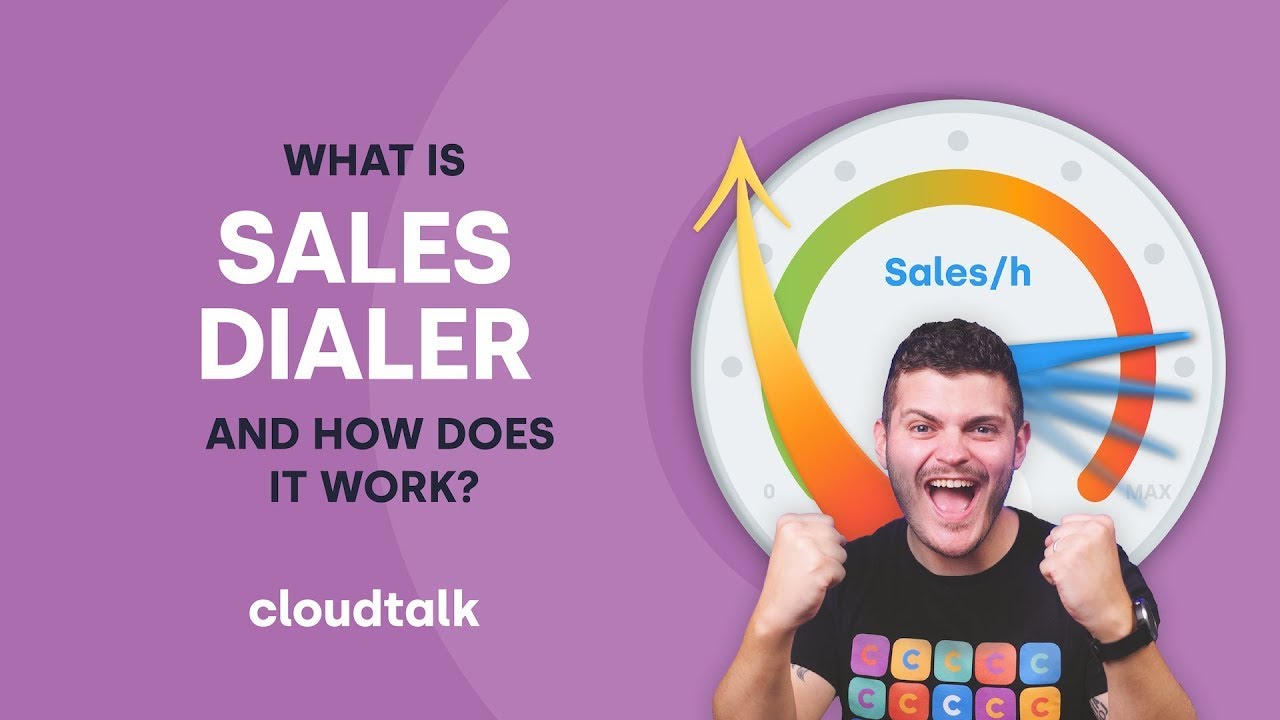
Scopri come migliorare le chiamate con il Sales Dialer Software:
#4 Fornisce una guida automatica all’agente
Il lavoro di un agente, in molti casi, non è facile. Deve tenere a mente molte cose, come informazioni tecniche specifiche, norme di sicurezza relative alle vendite e altro ancora. E ammettiamolo, nemmeno gli agenti più bravi riescono a ricordare tutto. Anche in questo caso l’automazione dei call center è utile.
La guida automatica per gli agenti si riferisce all’assistenza in tempo reale, che aiuta gli agenti in situazioni specifiche mentre interagiscono con i clienti. Ad esempio, ricordando loro tutte le norme o i regolamenti e consigliando le fasi necessarie per la risoluzione dei problemi. Può assumere la forma di chatbot, script, mappatura visiva o altro ancora.
I sistemi di automazione AI intelligenti sono in grado di leggere le situazioni e di utilizzare l’elaborazione del linguaggio o l’analisi dei sentimenti. In base agli approfondimenti che scoprono, i sistemi inviano agli agenti indicazioni pertinenti.
Panoramica dei benefici:
- Fornire una guida in tempo reale agli agenti
- Istruisce gli operatori
- Conferma la precisione di tutte le informazioni fornite
- Elimina il bisogno di un’assistenza umana
#5 Rendi la programmazione più efficiente
L’ottimizzazione della forza lavoro è fondamentale per il buon funzionamento di qualsiasi call center o contact center. Una parte importante di questo aspetto è la programmazione efficace degli agenti che rispondono o effettuano le chiamate.
Se hai pochi agenti in turno, rischi di far aspettare i clienti, di allungare i tempi di gestione e di non raggiungere gli obiettivi del tuo accordo sul livello di servizio (SLA). Se gli agenti in turno sono troppi, li pagherai per stare seduti alla loro postazione senza fare nulla.
Traditionally, then, scheduling takes up a lot of a call center supervisor or manager’s time. To enhance visibility and plan more efficient shifts, many call center teams use a time tracking app for employees like Toggl Track or actiTIME. It helps monitor how agents spend their workday and supports smarter workforce planning and resource allocation.
L’automazione e l’intelligenza artificiale possono aiutare anche in questo caso. Gli algoritmi basati sull’intelligenza artificiale possono analizzare in modo rapido e accurato tutti i dati relativi alla programmazione degli agenti.
Questo include:
- Volume di chiamate previsto
- Agenti attualmente previsti per il lavoro
- Orari in cui gli agenti devono lavorare
- Quali altri agenti sono disponibili
Dopo aver analizzato questi dati, le soluzioni di automazione basate sull’AI possono aiutare i manager a generare più rapidamente i programmi perfetti.
Panoramica dei benefici:
- Risparmio di tempo per i manager e i supervisori dei call center
- Mantenere gli standard di assistenza ai clienti
- Allentare la pressione sugli agenti
- Riduzione dei costi operativi
#6 Migliorare le previsioni
Reagire alle tendenze è parte integrante delle operazioni quotidiane dei call center. Tuttavia, è ancora meglio se riesci a prevedere le tendenze e i cambiamenti prima che avvengano e a prepararti in anticipo.
È qui che entra in gioco la previsione. Si tratta della raccolta e dell’analisi dei dati del call center per estrarre informazioni e prevedere gli sviluppi futuri. Fondamentalmente, ciò significa prevedere quando ci sarà un alto volume di chiamate e assicurarsi di poterle gestire in modo efficace.
L’analisi dei dati è un gioco da ragazzi per gli algoritmi di intelligenza artificiale. Applicando l’automazione alle previsioni dei call center, puoi essere sempre all’avanguardia, senza che il tuo personale passi ore e ore a snocciolare numeri.
Panoramica dei benefici
- Prevedere e preparare in modo proattivo i periodi di maggiore affluenza.
- Risparmiare tempo sulle previsioni manuali
- Efficienza dei costi

3 sfide comuni nell’implementazione dell’automazione dei call center
Ora che sei aggiornato sui vantaggi e sui casi d’uso dell’automazione dei call center, oltre che su alcune tendenze dell’automazione dei contact center, potresti prendere in considerazione questa soluzione per il tuo call center.
Se è così, vorrai conoscere alcuni dei problemi e delle sfide che potresti incontrare lungo il percorso:
Bilanciare l’automazione e l’interazione umana
Le migliori idee per l’automazione dei call center sono quelle che supportano gli agenti esistenti con l’intelligenza artificiale. Non devi pensare che l’automazione sostituisca l’intervento umano, soprattutto quando si tratta di interazioni con i clienti.
Sebbene il 70% dei consumatori ritenga che l’IA sia diventata una parte moderna del servizio clienti, il tocco umano è ancora spesso apprezzato. Ad esempio, il 58% dei consumatori ha recentemente dichiarato di essere preoccupato per l’utilizzo dell’IA da parte dei chatbot per rispondere alle loro domande. L’introduzione dell’automazione dei call center, quindi, è un delicato gioco di equilibri.
Automating call center processes saves time and resources, as well as enhancing efficiency. However, take things too far, and you risk alienating customers. They may start thinking your bottom line means more to you than they do. Truly personal and engaging customer experiences do still need human input.
Ecco alcuni consigli per trovare il giusto equilibrio:
- Ottieni il contributo degli agenti prima di introdurre l’automazione
- Dai sempre la possibilità ai chiamanti di parlare con un operatore se lo desiderano.
- Utilizza i sondaggi per raccogliere il feedback dei clienti in modo da poter individuare rapidamente eventuali problemi con l’automazione.
Ottenere il consenso dei dipendenti e formarli in modo efficace
Questa sfida dell’implementazione dell’automazione dei call center è intrinsecamente legata alla prima. Se i tuoi dipendenti pensano che stai introducendo l’intelligenza artificiale per sostituirli, anziché per supportarli, è improbabile che siano favorevoli a questi cambiamenti.
Se intendi introdurre flussi di lavoro o processi automatici per il call center, assicurati di ottenere il consenso dei dipendenti fin da subito.
Ecco alcuni consigli per farlo:
- Identificare i processi giusti da automatizzare, quelli che gli agenti ritengono dispendiosi in termini di tempo.
- Tieni i tuoi team pienamente informati dei cambiamenti che intendi apportare in tutte le fasi.
- Implementa l’automazione gradualmente
- Segui con attenzione tutti gli sforzi di automazione e cerca di ottenere un feedback dai dipendenti sulla loro implementazione.
Training your staff to get the most out of any automation is also crucial. That means educating them on the capabilities of your automated call center software and providing any support they need in using it.
Scegliere il giusto software di automazione
Un’ultima potenziale sfida quando si tratta di implementare l’automazione del call center è la scelta della soluzione giusta per supportare il tuo call center. Oggi esistono molti strumenti per l’automazione dei contact center sul mercato.
Come minimo, devi assicurarti della piattaforma che hai scelto:
- È facile da configurare e utilizzare
- Si integra con gli strumenti aziendali esistenti, in particolare con il tuo CRM.
- È affidabile e sicuro
- Has all the features and functions you require. Is disclosed in your website’s privacy policy.
Per saperne di più sulla scelta delle giuste soluzioni di automazione per call center, continua a leggere.
How to Decide Which Contact Center Processes to Automate First
Automation has become essential for scaling customer service while maintaining high standards of speed, quality, and personalization. But not all tasks are equally suited for automation—and choosing the wrong ones can backfire. That’s why contact center leaders need a clear, strategic framework to identify which processes to automate first.
Prioritizing the right tasks ensures early wins, minimizes risk, and maximizes both operational efficiency and customer satisfaction.
Key Criteria for Selecting Processes to Automate
Task Characteristics
- High-volume and repetitive tasks: These are prime candidates for automation. Think of actions like data entry, password resets, call routing, or responding to FAQs—anything that happens often and follows a predictable path.
- Rule-based processes: tasks governed by structured logic and clear decision trees—such as updating CRM fields or pulling customer records—can be reliably handled by automation without sacrificing accuracy.
- Low need for human empathy or judgment: tasks that don’t require emotional intelligence, such as appointment confirmations or order tracking, are ideal. In contrast, sensitive issues like escalations or complex complaints should remain human-led.
Business Impact
- Operational bottlenecks: Focus on tasks that slow down your service, increase wait times, or cause customer frustration. Automating these can directly improve KPIs like first call resolution (FCR) or average handle time (AHT).
- Cost reduction potential: Automating repetitive work frees up agents to focus on higher-value conversations and reduces dependency on large support teams—translating to significant savings.
- Customer experience enhancement: Prioritize automations that reduce response times, offer 24/7 availability, and bring more consistency to customer interactions. The goal is to make the customer journey smoother—not more robotic.
Implementation Feasibility
- Ease of Integration: Choose processes where automation can plug into your existing systems with minimal development effort—APIs, CRM integrations, or cloud tools can accelerate deployment.
- Scalability: Automate tasks that can easily handle increased volume as your business grows or during seasonal spikes.
- ROI Measurability: Start with processes where impact can be clearly tracked—whether through cost savings, improved CSAT or NPS, shorter call times, or higher resolution rates.
Example Processes to Automate First
- Greeting and call routing via IVR
- Password resets and basic account lookups
- Order status and tracking
- Routine appointment scheduling
- FAQ responses through knowledge base access
5 Practical Steps to Integrate AI-Powered Automation Into Your Tech Stack
Rolling out call center automation isn’t just about choosing a tool—it’s about seamlessly integrating it into your existing workflows. Here are the practical steps to do it right:
- Assess your current tech stack: Start by mapping out your existing infrastructure. Identify which platforms (like your CRM, helpdesk software, or VoIP system) are central to your operations and ensure any automation tools you choose are compatible via APIs or pre-built integrations.
- Define automation goals and kpis: whether you’re aiming to reduce average handle time, improve first call resolution, or streamline after-call work, set measurable targets up front. This helps you choose the right tools and track their success.
- Choose modular and scalable solutions: Opt for automation platforms that allow phased rollouts. This lets you test functionality in smaller use cases—like automated password resets or routing—before expanding.
- Implement in phases with cross-functional input: Collaborate with IT, customer support, legal, and compliance teams during implementation. Launch pilot programs and collect feedback from both agents and customers to refine flows early on.
Train your agents on new processes: Equip agents with training so they understand how automation supports their roles and how to interact with the new tools, such as using AI-generated insights during live calls.
Best Practices for Implementing Call Center Automation
Follow these best practices to ensure a smooth rollout and lasting results:
- Define clear objectives: Identify your goals—such as reducing wait times, improving first-call resolution, or lowering after-call work—and set measurable KPIs.
- Choose the right tools: Select automation solutions that address your needs, from IVR and call routing to workflow automation. Ensure they integrate seamlessly with your CRM and support channels.
- Focus on customer experience: Personalize interactions, maintain clear escalation paths to live agents, and collect feedback to refine automation flows.
- Ensure compliance and security: Follow regulations like GDPR or CCPA and safeguard customer data during all automated processes. This includes encrypting communications, managing user consent, restricting data access, and maintaining audit logs. Choosing automation tools with strong security certifications—like SOC 2 or ISO 27001—also helps reduce risk and build customer trust.
- Train and support your team: Provide thorough onboarding for agents to use automation tools effectively, and offer ongoing coaching.
- Monitor and improve: Track performance metrics regularly and adjust workflows to keep automation aligned with business goals and customer needs. To measure ROI effectively, monitor key indicators like FCR, AHT, CSAT, and Cost Per Call.
Cosa cercare in un software di automazione per call center
Le giuste soluzioni di automazione per call center aiutano la tua azienda a sfruttare tutti i vantaggi di cui abbiamo parlato con il minimo sforzo. Ecco a cosa pensare quando si sceglie lo strumento:
Caratteristiche per soddisfare le tue esigenze specifiche
Before you select an automation solution, take the time to clearly define the needs of your call center. What are your automation goals? Which areas of operations would most benefit from automation?
Once you know the answers to these questions, you can identify software features that are must-haves, those that are nice-to-have, and those you don’t need at all.
For instance, if a primary goal is to save time that agents spend taking notes on calls, then automatic call transcription is a must-have feature. If you want to improve first call resolution above all else, smart, AI-powered call routing is critical.
The Right Tools for the Job
Not all automation tools serve the same purpose—and each excels at streamlining different aspects of service operations. Here’s a breakdown of where each shines:
- IVR (Interactive Voice Response) is ideal for front-end call routing and simple tasks like checking order status or collecting caller information before connecting to an agent. It’s a must for improving first-response speed and reducing hold times.
- AI Voice Agents take IVR a step further. These voicebots use natural language processing and speech recognition to handle conversations more intelligently. They can answer FAQs, qualify leads, confirm appointments, and even resolve simple issues—without involving a human agent. AI voice agents are especially effective for managing high call volumes while maintaining a personalized experience.
- AI Chatbots are excellent for handling routine inquiries via chat channels, delivering 24/7 assistance, and deflecting low-complexity queries from agents.
- Robotic Process Automation (RPA) works best behind the scenes. It automates repetitive, rule-based tasks like data entry, CRM updates, or cross-system data synchronization—freeing up agents to focus on customer interactions.
- Workforce Management Bots help optimize internal operations by automating shift scheduling, forecasting workloads, and managing agent availability in real time.
The best results often come from combining these tools strategically to automate both customer-facing and backend processes.
Integrazioni native con gli strumenti che già utilizzi
Lo strumento di automazione del contact center che hai scelto non opererà nel vuoto. Per ottenere il massimo, deve lavorare in armonia con gli altri strumenti software.
Pertanto, dovresti cercare piattaforme che si integrino perfettamente con le altre soluzioni del tuo stack tecnologico.
CloudTalk, ad esempio, si integra con una vasta gamma di CRM popolari, tra cui:
- HubSpot
- Zendesk
- Salesforce
- Pipedrive
- Zapier
- E altro ancora.
Analisi integrate
Uno dei grandi vantaggi dell’intelligenza artificiale è la sua capacità di analizzare in modo rapido e accurato grandi volumi di dati. Come il tipo di dati che il tuo call center genera da centinaia o addirittura migliaia di interazioni settimanali con i clienti.
Per questo motivo, vorrai che la piattaforma di automazione che hai scelto includa funzionalità di analisi integrate. Queste ti permettono di ottenere informazioni facilmente comprensibili e fruibili dai tuoi dati. Il tipo di informazioni che puoi utilizzare per prendere decisioni efficaci e migliorare continuamente le operazioni del call center.
Top 5 Call Center Automation Software Providers for Businesses
With the call center automation market growing rapidly, businesses have more options than ever—each offering different tools, pricing models, and strengths. To help you choose, here’s a side-by-side look at five leading providers:
Provider
Starting Price
Key Features
Best For
$19/user/month (NAM & LATAM) or $25/user/month
SMBs and growing teams
$85/user/month
Call Routing, Auto Dialer, Predictive Dialer, IVR
Small businesses and large enterprises
$20/user/month
Advanced Dialing Options, Intelligent Call Routing
All-size businesses needing AI-powered communications
$75/user/month
Omnichannel Support, Advanced Call Automation, AI-Powered Self-Service
Large enterprises
Will Automation Eliminate Human Agent Roles—or Simply Redefine Them?
As call center automation becomes more sophisticated, a common concern arises: Will it replace human agents entirely? The short answer is no. Rather than eliminating human roles, automation is redefining them—and in many ways, elevating them.
From Routine Execution to Strategic Contribution
Automation handles the repetitive, time-consuming, and rule-based tasks that used to bog down agents—things like pulling up customer records, answering FAQs, or processing simple transactions. With these tasks off their plates, agents are free to focus on what they do best: handling complex, sensitive, or emotionally charged interactions where human empathy and judgment are essential.
This shift transforms the agent’s role from task executor to relationship builder and problem solver—functions that have a far greater impact on customer loyalty and satisfaction.
Enabling Agents, Not Replacing Them
Smart automation doesn’t compete with agents—it empowers them. AI-driven tools can:
- Provide real-time recommendations or next-best actions during calls
- Surface relevant customer history instantly
- Automate after-call work like summarizing notes or updating CRM records
- Reduce cognitive load so agents can focus on listening and problem-solving
The result? Faster resolutions, higher agent morale, and better customer outcomes.
Upskilling and Evolution
As automation evolves, so do the skill sets required of agents. Soft skills like empathy, critical thinking, and communication become even more valuable. At the same time, agents may take on new hybrid roles—such as supervising bots, analyzing performance insights, or participating in continuous optimization of workflows.
Aumenta la soddisfazione di clienti e agenti con l’automazione del call center
L’automazione dei call center non è qui per sostituire gli agenti di supporto. È qui per collaborare, assumendo compiti quotidiani ripetitivi e aiutando in ogni tipo di processo.
L’automazione può far risparmiare denaro e una notevole quantità di tempo, aumentando l’efficienza, la soddisfazione dei clienti e il morale dei dipendenti.
Esiste anche un’ampia gamma di aree in cui il tuo call center potrebbe beneficiare dell’automazione. Tra queste, le interazioni self-service, l’automazione del flusso di lavoro e molto altro ancora.
Per assicurarti di ottenere il massimo dall’automazione dei call center, però, è fondamentale scegliere il software giusto per supportarti.
Mettiti in contatto oggi stesso per scoprire se CloudTalk è quello giusto!
Still relying on manual workflows? There’s a better way.
Frequently Asked Questions
Tutto quello che c’è da sapere sul prodotto e sulla fatturazione.