AI in Sales: How Sales Teams Plan to Use AI in 2026
Most of the advice on how to use AI in sales is based on theory. At CloudTalk, we’ve based it on real data and expert insights.
We’ve spent hundreds of hours in the lab and the field, conducting experiments across nearly 8,000 leads to see what generative AI in sales and marketing actually delivers.
This report on 2026 AI sales trends is the result of rigorous testing and insights from 15 industry leaders on why 2026 is the year using AI in sales is non-negotiable.
What is AI in Sales and Why It Matters in 2026
AI in sales is using artificial intelligence to help you sell better.
These technologies help automate repetitive tasks, analyze complex data, and improve decision-making across the entire sales cycle.
CEOs love the idea of ramping up the use of AI data in sales because, if used correctly over time, it makes every interaction smarter than the last, from the first touch to the closed deal. Smarter means faster, more cost-effective, and all with a leaner team.
Sales-aiding AI tech includes:
-
Machine learning: speech recognition, predictive analytics
-
Natural language processing: the ability for computers to understand human language
-
and generative AI: AI that creates new content from old patterns
Close More Deals with AI
Why 2026 Is a Turning Point for AI Adoption in Sales
Last year, AI was vamping, getting ready to take the spotlight, still not completely off-book. But this year, the tech is ready for widespread, reliable use across sales organizations.
What happened was, the early tools in 2023 and 2024 were great for experimenting and testing things out, but they just weren’t strong enough yet to run across an entire sales team.
And 2025 was primarily about getting off the runway, initial testing, iterations, getting clients interested, and learning as a whole tech community where this tech could really add value.
AI tech providers were throwing their hats in the ring, and teams were figuring out whether these tools were dependable enough to introduce into their workflow.
Now, in 2026, tech teams have also gotten more experience under their belts, and enterprise buyers, especially cost-conscious ones, are increasingly moving beyond trials toward broader implementation.
That said, it’s still not “plug and play.” Like any form of automation, there’s a learning curve; teams must build the skills, processes, and governance required to get lasting value from these systems, and that evolution will continue over the next year or two.
This transition from experimentation toward widespread, practical adoption is exactly why many experts see 2026 as the year AI isn’t just tested, but part of the foundation of businesses.
Why Businesses are Prioritizing AI Implementation
There’s a reason AI has been adopted after the early iterations, tests, and trials. It actually works.
If it hadn’t worked, it would have been a tech fad that died down right away.
But it did work. And because it worked, businesses kept using it. Then they expanded it. And now they’re building around it.
The key reasons are pretty straightforward:
-
Companies found that AI could drive real efficiency gains. It could help them move faster and operate with leaner teams.
-
It gave them an edge over competitors still relying on manual processes.
-
And it made selling more targeted by using real data instead of guesswork.
That’s why this isn’t just another passing trend. It’s why 2026 feels different. AI in sales has moved from experiment to infrastructure.
How Sales Leaders Plan to Use AI in 2026
We want you to be able to implement AI this year and stay ahead of the curve, which is why we reached out to 15 sales and marketing leaders and asked them two simple questions:
-
01
How do you plan to use AI in 2026?
-
02
Why will those use cases matter most for your team?
The answers to these questions can help you figure out which tools will best benefit your team.
Christopher Vasiliou, CEO at Woorise
How do you plan to use AI in 2026?
“In 2026, we’ll continue using AI to speed up and improve how sales campaigns are created and optimized.
At Woorise, AI already helps customers generate complete marketing campaigns — landing pages, forms, and lead flows — directly from a prompt, reducing setup time and friction for sales-led growth.
Internally, we use AI to analyze performance data, refine messaging, and continuously improve SEO-driven acquisition that feeds qualified leads into sales.”
Why will those use cases matter most for your team?
“These use cases matter because they remove manual work without replacing human judgment.
Faster campaign creation shortens time-to-market, while AI-assisted optimization improves lead quality before sales teams engage.
Using AI for SEO and content ensures consistent inbound demand, allowing sales teams to focus on high-intent prospects instead of chasing volume.
AI becomes a force multiplier for small, focused sales teams rather than a replacement.”
Salahuddin Umer, Digital Marketing Executive at ContentStudio
How do you plan to use AI in 2026?
“I plan to use AI in sales by connecting social media engagement, content performance, and CRM data to identify high-intent leads early.
AI will help personalize sales emails and LinkedIn outreach based on a prospect’s industry and recent interactions, recommend the right content for each funnel stage, and support social selling by guiding when and what sales reps should post.
The goal is to shorten the sales cycle and turn marketing insights into measurable revenue.”
Why will those use cases matter most for your team?
“These AI use cases matter most because sales teams struggle with three core problems: poor lead prioritization, generic outreach, and long sales cycles.
AI helps identify high-intent prospects based on real engagement signals, personalize outreach using actual behavior data, and tell reps which content to share at each stage.
This reduces wasted effort, increases reply rates, and helps sales teams focus their time on deals that are most likely to convert.”
Beth Forester, CEO at Animoto
How do you plan to use AI in 2026?
“We recently published a report based on insights from 500 marketers and consumers to understand what content is working, what’s being ignored, and how AI is reshaping the video landscape.
The message is clear: AI is powerful for scaling output, but your brand and your people must stay at the center of the story. In fact, 36% of consumers say fully AI-generated videos make them trust a brand less.
For sales teams in 2026, the opportunity isn’t more automation — it’s smarter automation. We’re moving toward high-touch, AI-assisted prospecting. AI can draft personalized scripts and outlines, but reps should record short, authentic videos using their real faces and voices.
By focusing on human-centered, under-60-second clips, teams can keep up with weekly content demands without sacrificing trust.”
Why will those use cases matter most for your team?
“These use cases solve what we call the ‘consistency vs. quality’ paradox.
AI provides the speed needed to publish frequently, while human oversight ensures the content doesn’t trigger trust-eroding signals — like the 67% of consumers who notice robotic gestures or the 55% who detect unnatural voice patterns.
When done right, AI allows a small sales team to operate like a global marketing agency — delivering hyper-relevant, memorable video content that builds emotional connection and drives deals forward.”
Niyati Thakur, SEO at Predis
How do you plan to use AI in 2026?
In 2026, I plan to use AI inside the CRM to rank leads based on real buying signals like site visits, email replies, and content clicks. We already use call summaries and note-taking to save time after meetings. AI will also draft follow-ups based on deal stage and past talks, so reps respond faster and stay consistent without extra manual work.
Why will those use cases matter most for your team?
“These use cases matter because they protect the most limited resource in sales: time. Lead ranking cuts wasted outreach. Call summaries keep deals moving without losing context. Smart follow-ups help every rep sound prepared. As pipelines grow busier, sales teams will win by acting faster, staying organized, and focusing on conversations that actually close.”
Alžbeta Ťurek, Customer Success and Support Manager at Nicereply
How do you plan to use AI in 2026?
“I plan to use AI to automatically create follow-ups, remind me when to reach out, and refine messages so they resonate more strongly with customers and ultimately drive purchases.
Instead of manually tracking conversations and drafting every follow-up from scratch, AI will help generate context-aware responses based on previous interactions, customer history, and buying signals. It will also suggest timing — when to nudge, when to wait, and when to escalate.
The goal isn’t to remove the human element, but to make sure no opportunity slips through the cracks and every message feels intentional and relevant.”
Why will those use cases matter most for your team?
“These AI use cases matter because they save time while improving consistency and personalization at the same time.
Automated follow-ups reduce the risk of missed opportunities, especially when pipelines get busy. At the same time, AI-refined messaging helps ensure communication feels tailored rather than generic, which increases engagement and builds trust.
When sales and customer-facing teams can engage leads consistently and personally — without increasing workload — they close more deals and strengthen long-term relationships.”
James Berry, Founder at LLMRefs
How do you plan to use AI in 2026?
“We are using AI to find outbound leads and qualify inbound ones faster.
On the outbound side, AI helps us identify companies that match our ideal customer profile by analyzing signals like job postings, technology usage, and funding announcements.
For inbound, we use AI to score and route leads based on their likelihood to convert. This means our sales team spends time talking to the right people instead of manually sorting through spreadsheets.”
Why will those use cases matter most for your team?
“Sales teams spend too much time on tasks that do not generate revenue. Research, data entry, lead scoring, and follow-up scheduling eat into hours that should go toward actual conversations.
AI handles these repetitive tasks so salespeople can focus on building relationships and closing deals. The teams that adopt AI for these workflows will move faster than those who do not.”
Arthur Zargaryan, CEO at ParcelTracker
How do you plan to use AI in 2026?
“In 2026, we’ll use AI mainly to remove busywork from sales.
We already use it to summarize calls, extract objections, and auto-log CRM updates. Next, we’re implementing AI to score inbound leads based on real usage signals — not just form fills.
We’re also testing AI that drafts follow-ups using call context and customer data, so reps can review and send instead of starting from scratch.”
Why will those use cases matter most for your team?
“Sales teams don’t lose deals because they can’t write emails. They lose them because they’re slow, inconsistent, and distracted.
AI matters where it saves time and sharpens focus. Better lead prioritization means reps talk to buyers who actually have intent. Automated summaries and follow-ups mean faster response times and fewer dropped balls.
That directly impacts conversion — without changing how humans sell.”
Marina Andresi, Marketing Partnerships Officer at Storydoc
How do you plan to use AI in 2026?
“In 2026, we’ll use AI mainly to remove busywork from sales.
We already use it to summarize calls, extract objections, and auto-log CRM updates. Next, we’re implementing AI to score inbound leads based on real usage signals — not just form fills.
We’re also testing AI that drafts follow-ups using call context and customer data, so reps can review and send instead of starting from scratch.”
Why will those use cases matter most for your team?
“What we offer clients with these AI features is time back.
Through our integrations with CRMs and sales automation tools, sales reps can follow up after a call — or after a potential client interacts with their deck — with just a click.
Imagine this scenario: a sales rep adds a discount to a contact’s Salesforce account and instantly generates a personalized proposal that the client can sign directly.
Deals close faster, and salespeople free up time to focus on higher-value conversations.”
Prachi Admane, Marketing Specialist at Vista Social
How do you plan to use AI in 2026?
“We’re using AI to manage initial conversations with prospects across social platforms like Instagram, Facebook, LinkedIn, and TikTok.
When someone messages with questions about features or pricing, AI responds instantly, asks qualifying questions, and captures key contact information automatically. It also detects sentiment, so if someone appears frustrated or ready to buy, the system flags the conversation for a sales rep to step in.
The goal is to let AI handle repetitive first touchpoints so the sales team can focus on meaningful conversations with qualified leads instead of manually sorting through large volumes of direct messages.”
Why will those use cases matter most for your team?
“Speed matters. When prospects message multiple competitors, the company that responds first often wins.
AI enables instant replies — even outside business hours — and captures lead information before prospects move on. Instead of manually reviewing hundreds of messages, teams can rely on AI to filter out noise and surface prospects with clear purchase intent.
In our case, response times dropped from hours to under a minute. That shift allows sales reps to focus on strategic conversations with high-intent leads rather than inbox management. It makes the sales process more efficient — and more enjoyable.”
Arina Katrycheva, Chief Marketing Officer at actiTIME
How do you plan to use AI in 2026?
“In 2026, we’ll use AI as our ‘deal intelligence’ layer.
Every call, email, and chat will be transcribed and tagged by intent — such as budget, timeline, and authority — as well as objections, competitors, and next steps.
We’ll aggregate those patterns to refine our ideal customer profiles and pain-point messaging. Key insights and summaries will be pushed directly into our CRM so reps begin every follow-up with a tailored plan instead of starting from scratch.”
Why will those use cases matter most for your team?
“In sales, speed and consistency outperform occasional deep analysis.
These AI workflows reduce post-call admin — notes, CRM updates, follow-up emails — and transform raw conversations into weekly insights: which industries convert, which objections stall deals, which messages resonate, and where demos lose momentum.
Instead of relying on quarterly enablement initiatives, we get a tight feedback loop for coaching, playbook updates, and territory focus.
That leads to faster ramp time for new reps, fewer missed signals, and smoother handoffs between SDRs and AEs.”
Ruben Boonzaaijer, Co-Founder at Ringly
How do you plan to use AI in 2026?
“We are currently using AI voice calls to follow up with interested leads.
This allows us to contact engaged leads within 30 seconds, which can lead to a 4x increase in booking rates.
We also use AI tools for call transcription and analysis to identify key KPIs from our sales conversations. That saves us significant time and allows us to handle more volume with a smaller team.”
Why will those use cases matter most for your team?
“Speed is one of the most important factors in sales, and AI makes it possible to contact every lead personally within seconds.
Not more than a year ago, you would have needed to hire an entire team to achieve that. Now, depending on the type of company you run, up to 90% of the sales flow can be automated.
That shift changes what’s possible in terms of scale, responsiveness, and efficiency.”
Jay Douglas, Manager at SalesGroup.ai
How do you plan to use AI in 2026?
“We plan to use an AI-powered customer service chatbot to increase sales while also enhancing customer satisfaction.
The chatbot will handle common questions, provide instant answers about products and pricing, and guide visitors toward the right solutions based on their needs. Instead of waiting for a rep to become available, prospects can get immediate support at any stage of the buying journey.
The goal is to create a smoother, more responsive experience that supports both pre-sales inquiries and existing customers.”
Why will those use cases matter most for your team?
“An AI chatbot strengthens the sales funnel by assisting customers in real time and reducing friction during the decision-making process.
When prospects get fast, accurate answers, they move forward more confidently. The chatbot helps qualify interest, surface buying intent, and connect high-intent leads to sales at the right moment.
By accelerating response times and improving the customer experience, AI doesn’t just support sales — it helps close deals faster.”
Philipp Wolf, CEO at Custify
How do you plan to use AI in 2026?
“In 2026, we will use AI primarily to help sales teams identify expansion opportunities within the existing customer base.
AI will continuously analyze product usage, feature adoption, engagement patterns, and account health signals to highlight accounts showing upgrade or growth potential. This replaces static CRM assumptions with live behavioral intelligence.
For a customer success platform, this approach aligns sales directly with measurable customer value. Sales teams will know where revenue is likely to emerge and which conversations are more likely to convert.”
Why will those use cases matter most for your team?
“These AI use cases matter because they eliminate guesswork from revenue generation.
Sales teams often operate on incomplete data, delayed signals, or intuition. AI transforms customer behavior, adoption trends, and engagement data into clear expansion insights.
This increases conversion precision, shortens sales cycles, and improves forecast reliability. For a customer success platform, growth naturally depends on retention and expansion.
AI ensures sales efforts focus on accounts already demonstrating value, making revenue generation more predictable, scalable, and efficient.”
Anca Radosu, Customer Success Manager at Medicai
How do you plan to use AI in 2026?
“We plan on using AI to bridge customer success insights with sales execution.
AI will analyze product usage, imaging workflows, and feature adoption to identify accounts that show expansion readiness. We will also use AI-assisted conversation analysis to capture recurring objections, integration concerns, and decision signals from client interactions.
This gives sales teams clearer context before engaging and ensures outreach is grounded in real operational data.”
Why will those use cases matter most for your team?
“These AI use cases matter because healthcare sales cycles are complex and evidence-driven.
Decisions depend on workflow impact, interoperability, and measurable efficiency improvements. AI transforms behavioral and operational data into actionable signals, reducing reliance on assumptions.
With earlier visibility into expansion potential and client priorities, sales teams can approach conversations with stronger evidence and greater precision.”
Alfredo Salkeld, Head of Sales and Marketing at Upfirst
How do you plan to use AI in 2026?
“Sales and onboarding calls contain the best insights into how customers think, talk, and evaluate products.
We use Fathom to record calls and then automatically push transcripts and summaries via a Cloudflare endpoint into a shared GitHub repository. That repository also contains Claude Code skills — which generate blog ideas, refresh landing pages, and draft feature launch content.
We call it our Marketing OS: a shared, programmable knowledge base that both sales and marketing can access to surface better materials and close more deals.”
Why will those use cases matter most for your team?
“Most marketers don’t spend enough time talking to customers. As a result, there’s an empathy gap that makes it harder for them to support the sales team effectively.
Transcripts often sit inside tools like Gong, but the language customers use rarely makes it into the actual materials sales needs.
By piping call data into a shared, programmable repository, we close that gap automatically. The system has both the raw material and the AI skills required to draft pages, suggest lead magnets, and refresh messaging using real customer language.”
David Cacik, CMO at CloudTalk
How do you plan to use AI in 2026?
“I use AI across multiple layers of my work.
On a strategic level, it helps me organize my thoughts and structure weekly, monthly, and quarterly decks more efficiently.
On a people-management level, I use it to help draft candidate evaluations and employee performance reviews, making sure feedback is structured and clear.
AI also supports research — whether that’s benchmarking competitors or gathering industry data — and helps generate images and videos for both internal and external content.
Operationally, I use it to automate LinkedIn outreach for candidates and email outreach for specific customer segments.
And beyond that, I’m building micro-apps, like davidsredbutton.com and similar internal tools, to solve specific workflow challenges quickly without heavy development.”
Why will those use cases matter most for your team?
“AI will professionalize communication. It makes outputs clearer, more structured, and more actionable.
It also removes repetitive and boring tasks that drain time and focus.
Most importantly, it adds capacity to teams that are already stretched thin. Instead of hiring for every new need, AI can act as a force multiplier — allowing teams to focus on more complex, high-value problems.”
Key Use Cases for AI in Sales Emerging in 2026

Here are the most common AI use cases in sales emerging for 2026:
AI-Powered Lead Scoring and Prioritization
One of the most frequently mentioned AI data in sales use cases was smarter lead prioritization.
Instead of relying on static CRM fields or form fills, teams are using AI to analyze:
-
Product usage data
-
Engagement signals
-
Social activity
-
Website behavior
-
Funding announcements
-
Job postings
-
Conversation intent
Leads are scored based on the likelihood of conversion, using retrieved and interpreted prospect data. The outcome is that reps can focus on buyers who actually have intent instead of having to go over long lists of leads that might not even be interested.
Several experts emphasized that this is where AI in B2B sales makes the most difference. When inbound and outbound prioritization improves, pipeline quality improves, and so does close rate.
Automated Sales Outreach and Personalization
Another dominant theme was AI in sales automation combined with personalization.
Teams are using generative AI in sales to:
-
Draft outbound emails
-
Personalize LinkedIn messages
-
Generate follow-ups from call context
-
Create proposals instantly
-
Build short-form personalized videos
-
Automate social DMs
The key insight? Automation handles structure. Humans handle nuance.
Generative AI in sales and marketing allows teams to personalize at scale while maintaining a human voice. Outreach becomes faster, but not robotic.
Sales Forecasting and Predictive Analytics

Forecast accuracy was another recurring pattern.
AI improves sales forecasting by combining:
-
Historical deal data
-
Live engagement signals
-
Objection patterns
-
Conversion timing trends
-
Expansion behavior
Instead of relying on intuition every quarter, AI uses real sales conversations and behavioral signals (email open frequency, links clicked, time spent on converting pages) to build forecasts based on patterns, not guesses.
This rmakes it easier for companies to predict incoming revenue, especially for teams who need to know how much money they can invest and use to scale.
Several leaders also referenced using live behavioral intelligence to see what buyers are doing now instead of relying on old CRM fields.
Conversation Intelligence and Call Analysis
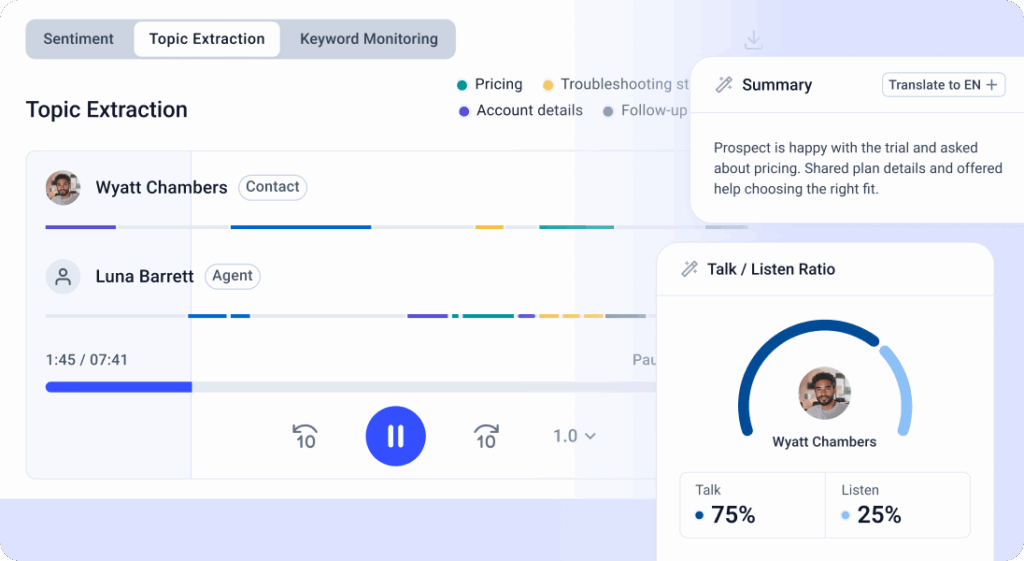
Call summaries came up repeatedly.
AI now:
-
Transcribes calls automatically
-
Extracts objections
-
Identifies buying signals
-
Tags budget, authority, timeline
-
Pushes summaries into CRM
-
Gives coaching insights
This means that instead of managers manually reviewing calls, AI in sales enablement analyzes calls and reveals patterns like:
-
Which objections stall deals
-
Which industries convert fastest
-
Where demos lose momentum
-
Which reps need coaching
Conversation intelligence reduces post-call admin while creating a tight feedback loop for performance improvement.
Real-Time Deal Intelligence and Risk Detection
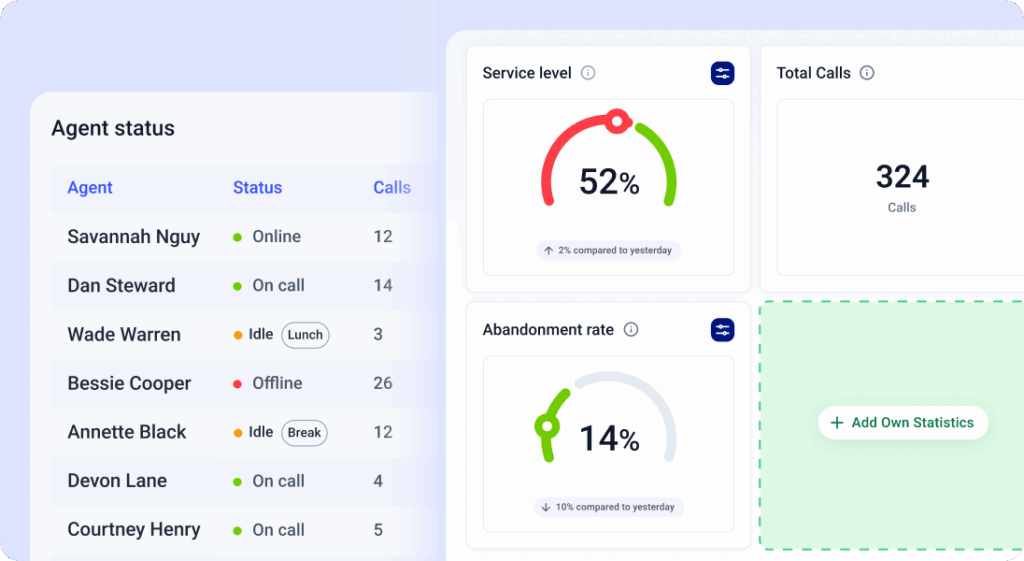
One leader called it a “deal intelligence layer.” And that’s exactly what it’s becoming.
AI gives teams visibility into what’s moving, what’s stuck, and what needs attention — without digging through spreadsheets.
This includes:
-
Flagging sentiment shifts
-
Detecting stalled deals
-
Highlighting expansion signals
-
Surfacing churn risks
-
Recommending next best actions
If a prospect stops engaging, AI surfaces it.
If buying signals increase, AI flags it.
If objections repeat across segments, leadership sees it.
This is where agentic AI in sales begins to show up; systems that don’t just analyze data but recommend actions.
AI-Powered Inbound and 24/7 Lead Engagement
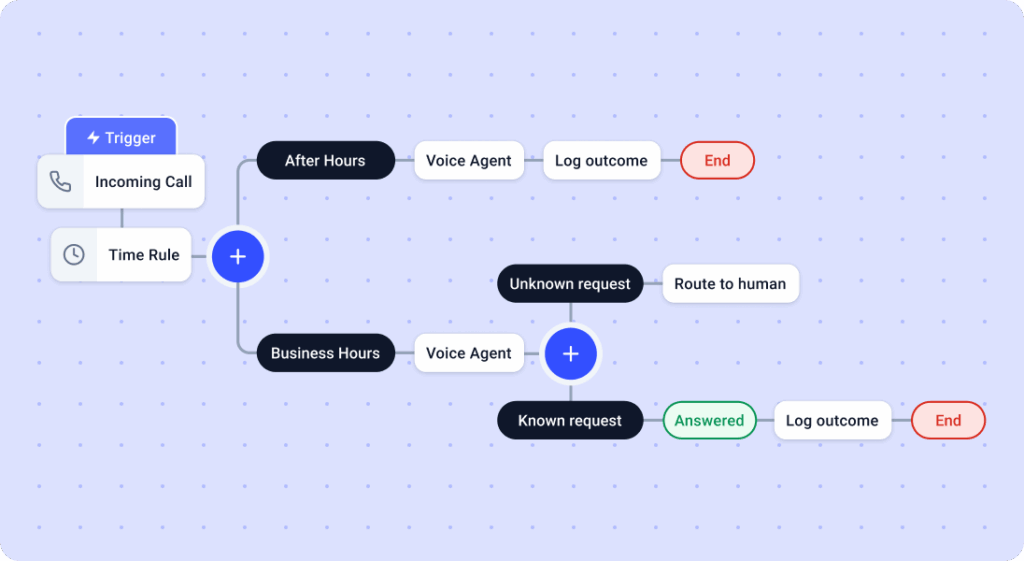
In our own testing across nearly 8,000 leads, reducing response time to under 30 seconds led to up to a 4x increase in booking rates during AI inbound sales calls.
We also found that over 20% of inbound calls were sales-relevant, conversations that would have been missed without instant engagement.
Multiple leaders highlighted:
-
Instant follow-ups
-
AI voice calls within 30 seconds
-
Social DM automation
-
AI chatbots handling first touch
Speed consistently emerged as a competitive advantage.
In several cases, reducing response time dramatically increased booking rates.
Common Themes and Trends from Sales Leaders
Here are the five biggest themes shaping AI adoption in 2026:
-
The Shift from Automation to Augmentation: Experts did not talk about completely replacing their sales reps. Instead, they described AI as a collaborating; handling research, summaries, scoring, drafting and routing so humans could focus on the tasks that required nuance, empathy, and judgement.
-
Data Quality as the Foundation for AI Success: For AI to successfully collaborate with your team, it needs to have access to reliable data. Lead scoring, forecasting, deal intelligence, and expansion detection only work if CRM data and tracking it draws from are true. AI doesn’t fix bad data, it uses what it’s given.
-
Coaching and Enablement Over Pure Automation: While automation came up frequently, coaching and insight came up just as often. Leaders using AI to analyze objections, see why deals are stalled, and fix feedback friction between sales and marketing.
-
Integration Over Tool Sprawl: AI works better when it’s integrated with your existing systems—CRM, sales automation tools, call recording platforms. You’re not starting a new workflow, you’re enhancing the one you already have.
-
Efficiency Without Losing the Human Element: Authenticity still matters, because buyers can tell when something feels automated for the sake of automation. AI may draft the message, summarize the call, or surface buying signals, but reps still need to adapt the communication and build trust person to person.
Benefits of Using AI in sales
Across the experts, and backed by industry research, the value of AI in sales and marketing isn’t abstract. It shows up in time saved, clearer forecasts, better conversations, and stronger performance across the board.
In the video below we can see how AI can help various use cases:
Enhanced Productivity and Time Savings
One of the most immediate benefits of AI in sales automation is time.
AI handles repetitive tasks like:
-
Lead scoring and routing
-
Call transcription and summaries
-
CRM updates
-
Follow-up drafting
-
Social DM filtering
-
Proposal generation
Instead of spending hours on admin work, reps can focus on high-value selling activities: discovery calls, negotiation, relationship-building, and closing.
Several leaders emphasized that this isn’t about working harder — it’s about removing busywork. When AI absorbs the operational friction, sales teams move faster with the same headcount.
In our own testing across nearly 8,000 leads, AI handled 100% of inbound calls and resolved or routed nearly half without human intervention. That level of automation significantly reduces manual triage and frees reps to focus on revenue-generating conversations.
In other words, AI doesn’t just save time. It reallocates it to revenue.
Improved Sales Forecasting Accuracy
Before AI, forecasting was about intuition, experience, and manual pipeline reviews.
AI in sales forecasting changes that by analyzing:
-
Historical deal data
-
Engagement patterns
-
Objection trends
-
Response times
-
Buyer behavior signals
Instead of guessing which deals will go through teams can use data-backed patterns to predict more accurately and with less grunt work.
That leads to:
-
More reliable revenue projections
-
Better resource planning
-
Smarter hiring decisions
-
Clearer scaling strategies
In our internal report, reducing response time to under 30 seconds led to up to a 4x increase in booking rates, reinforcing how engagement speed and buyer behavior are strong indicators of deal progression.
Better Customer Insights and Personalization
By analyzing behavioral signals like email engagement, pricing page visits, demo participation, and product usage trends, AI can tell you how buyers are acting, not just what they’re saying.
This leads to:
-
More relevant outreach
-
Better-timed follow-ups
-
Stronger objection handling
-
Context-aware conversations
Faster Onboarding and Coaching at Scale
Conversation intelligence tools are changing how teams develop talent.
AI can:
-
Identify common objections
-
Highlight talk-time imbalances
-
Surface coaching opportunities
-
Compare high-performing reps to new hires
Instead of quarterly enablement sessions, managers get ongoing performance insights.
New reps ramp faster because they can study real conversations, see patterns in successful deals, and receive feedback based on data, not just anecdotal observations.
Greater Scalability Without Expanding Headcount
AI allows teams to handle more volume without proportional hiring.
Instant follow-ups, automated qualification, AI-assisted drafting, and predictive scoring mean smaller teams can operate at level of much larger ones.
For cost-conscious enterprises, this balance of growth without high headcount is particularly compelling.
Challenges to Consider When Adopting AI in Sales

While the benefits are clear, the experts also implied that adoption requires discipline. Like any major shift in tooling, there’s a learning curve.
Here are the key challenges sales leaders should consider in 2026 and how to address them.
Data Privacy and Security Concerns
AI systems rely on large volumes of conversation data, behavioral signals, CRM records, and sometimes even full customer transcripts. So it’s critical for software providers to comply with regulations like GDPR, CCPA, or other industry-specific standards to restrict access and processing.
This is important for all customer data, but when it comes to healthcare, a privacy violation can result in a heft fine, not to mention complete loss of client trust.
To ensure compliance, sales leaders should:
-
Vet AI vendors for compliance certifications and clear data-handling policies.
-
Understand how long data is stored and how it’s secured.
-
Limit internal access to sensitive conversation data.
-
Involve legal and IT teams early in the implementation process.
Integration with Existing Systems
Several leaders highlighted the importance of integrating AI directly into their CRM and existing sales systems, rather than adding it as a disconnected layer.
Sales teams already operate inside complex tech stacks that include CRMs, call recording tools, outreach platforms, marketing automation systems, proposal software, cold-calling with AI, and analytics dashboards. Adding AI on top of that can either streamline workflows — or create more fragmentation, unless your AI integrates with your existing tools.
If AI operates as a standalone layer that requires separate logins, manual exports, or duplicated data entry, adoption slows quickly. Reps default back to familiar systems, and the AI tool gathers dust while still costing you.
The most successful teams treat AI as an extension of their existing infrastructure, not a replacement for it.
To avoid too many tools and a confusing workflow, sales leaders should:
-
Prioritize AI tools that integrate natively with their CRM and core sales platforms.
-
Start with one clear use case (e.g., lead scoring or call summaries) before expanding.
-
Ensure data flows automatically between systems without manual intervention.
-
Involve RevOps or technical stakeholders early in the evaluation process.
Resistance to Change
Several leaders framed AI as augmentation, not replacement. That distinction matters internally just as much as it does externally. When AI is positioned as a collaborator, handling summaries, prioritization, drafting, and routing, adoption becomes easier.
But positioning alone isn’t enough. Teams need proof.
To encourage adoption, sales leaders should:
-
Start with one clear, high-impact use case (e.g., automated call summaries or lead prioritization).
-
Share measurable wins early — time saved, faster response times, improved booking rates.
-
Involve reps in pilot testing before rolling out company-wide.
-
Provide hands-on training that shows how AI reduces friction in their daily workflow.
-
Reinforce that AI is there to remove busywork, not increase surveillance.
Over-Automation and Loss of Authenticity
AI makes it incredibly easy to automate outreach, follow-ups, content creation, and even parts of live engagement.
The risk isn’t that automation exists. The risk is overusing it.
When every email sounds structurally identical, when LinkedIn messages feel templated, or when video outreach looks fully AI-generated, buyers notice. Several experts emphasized that while generative AI in sales improves speed and scale, authenticity still determines trust.
To avoid over-automation, sales teams should:
-
Use AI to draft, but always review and adapt high-stakes messages.
-
Monitor reply rates and engagement for signs of declining authenticity.
-
Keep humans involved in relationship-driven moments like negotiation and closing.
-
Balance scale with personalization that reflects real context.
How to Prepare Your Sales Team for AI in 2026
Audit Your Current Sales Process for AI Opportunities
Before adding new AI tools, sales leaders need to understand where friction already exists.
AI works best when it solves a real bottleneck, not when it’s layered on top of an already messy process. That means taking a hard look at the current sales workflow and identifying where time is being lost, where reps are overwhelmed, and where decisions rely too heavily on manual effort.
Start by asking:
-
Where are reps spending the most non-selling time?
-
Which steps in the process require repetitive data entry?
-
Where do deals tend to stall?
-
What insights are buried in call transcripts or CRM notes?
-
How long does it take to respond to inbound leads?
These friction points are often the clearest AI opportunities.
For some teams, that might mean automated call summaries. For others, it could be AI-powered lead scoring, faster inbound routing, or smarter forecasting.
The goal isn’t to automate everything. It’s to identify one or two areas where AI can immediately remove friction and create measurable improvement.
Set Clear Goals Aligned with Business Objectives
Adopting AI in sales shouldn’t start with a tool. It should start with an outcome.
Too many teams implement AI because it feels urgent or competitive, without defining what success actually looks like. The result is experimentation without direction.
Before rolling anything out, sales leaders should define clear, measurable goals. For example:
-
Reduce response time for inbound leads.
-
Improve lead-to-meeting conversion rates.
-
Increase forecast accuracy.
-
Reduce time spent on post-call admin.
When AI initiatives are tied to specific business objectives, it becomes much easier to evaluate impact and justify investment.
It also prevents the common mistake of trying to solve too many problems at once. Focus on one outcome, measure it, refine the process, and then expand.
AI works best when it’s deployed intentionally.
Evaluate and Pilot AI tools Before Full Rollout
Once goals are clear, the next step isn’t a company-wide launch. It’s a controlled pilot.
AI adoption works best when teams test tools in a real environment with a small group before scaling. This reduces risk, surfaces workflow issues early, and builds internal champions who can validate the impact.
Start with one team, one region, or one use case. Measure outcomes against the goals you defined, response time, conversion rate, admin hours saved, forecast accuracy, or ramp time.
During the pilot phase, pay attention to:
-
How easily the tool integrates with your CRM and existing systems
-
Whether reps actually use it daily
-
What friction or confusion emerges
-
Where automation improves outcomes, and where it needs human oversight
Pilots also help uncover unintended consequences. Maybe AI drafts great follow-ups but needs tone adjustments. Maybe lead scoring works well but requires better data inputs.
A phased rollout builds confidence. It also makes adoption feel deliberate instead of disruptive.
AI becomes infrastructure when it proves itself in practice, not when it’s announced in a kickoff meeting.
Invest in Training and Change Management
Even the best AI tools won’t deliver results if teams don’t understand how to use them, or worse, don’t trust them.
Adoption isn’t automatic. It has to be guided.
Sales leaders should treat AI implementation as both a technical rollout and a behavioral shift. That means providing structured training, clear expectations, and ongoing feedback loops, not just a login and a demo.
Effective change management includes:
-
Showing reps exactly how AI removes friction in their daily workflow.
-
Demonstrating measurable wins early (time saved, faster responses, higher booking rates).
-
Setting clear guidelines on when to rely on AI, and when human judgment overrides it.
-
Encouraging feedback so workflows can be refined over time.
It’s also important to address concerns directly. If reps fear surveillance or replacement, those fears will quietly undermine adoption. Reframe AI consistently as a collaborator, one that handles repetitive work so humans can focus on higher-value conversations.
Like any shift in automation, there will be a learning curve. The goal isn’t perfection from day one. It’s steady improvement over time.
When teams feel supported instead of pressured, AI adoption becomes part of the culture, not a forced experiment.
Conclusion: The Future of AI in Sales is Now
If these 16 sales leaders agree on anything, it’s this: AI in sales is no longer experimental.
The biggest shift isn’t flashy automation, it’s smarter execution. Teams are using AI to remove friction, surface real buying signals, and make better decisions based on live data.
AI drafts, analyzes, and prioritizes. Humans build trust, handle nuance, and close deals.
In 2026, competitive sales teams won’t be asking whether to use AI. They’ll be refining how they use it.
If you haven’t started already, now is the time to audit your process, identify high-friction areas, and test the AI use cases that can create immediate impact.
The future of AI in sales isn’t coming. It’s already here, and CloudTalk will help you implement it.
Lead the AI Sales Era