How to Use Automation to Avoid Missed Calls in Automotive Departments
Missed phone calls aren’t just bad for business—they’re a million-dollar problem. According to Numa, dealerships can lose up to $1.17 million a year¹ in missed appointment revenue alone.
In this article, you’ll learn exactly how to stop missed calls from draining your revenue.
What you’ll find inside:
-
Why missing just 2 in 10 calls could be costing your dealership over $1M a year.
-
How to use automation to answer, route, and follow up—without adding headcount.
-
5 mistakes that turn missed telephone calls into missed customers (and how to fix them).
-
5 smart scheduling tricks that keep your bays full without lifting a finger.
-
The easiest way to implement automation—without breaking your systems (or your team).
Here’s How Missed Calls Are Hurting Your Automotive Team
Let’s be blunt: If your phones are ringing and no one’s answering, you’re not just missing calls—you’re missing revenue. A lot of it.
Here’s a quick snapshot of what that really looks like:
| What You’re Losing | By the Numbers |
|---|---|
| Sales and service opportunities | 2 in 10 inbound calls go unanswered² |
| Marketing ROI | $53,000/month wasted in ad spend on missed call leads³ |
| Customer patience | 85% won’t call again⁴; 80% won’t leave a voicemail⁵ |
| Future business | 78% of customers buy from the vendor who responds first⁶ |
Now let’s unpack what those numbers mean for your bottom line—and your brand.
Missed Calls = Missed Revenue
Think about it: you’re spending thousands to drive phone calls—Google Ads, radio spots, billboards. And when those calls finally come in? No one answers.
According to industry data, dealerships miss up to 23% of their inbound calls². And service teams? Some can lose over $1 million+ a year¹ just from missed appointment bookings—all because someone didn’t pick up.
You’re Paying for Leads You Never Get to Talk To
Marketing is doing its job. People are seeing your ads and calling you. But if your phones aren’t covered, all that effort—and budget—goes down the drain.
You wouldn’t burn $50,000 in a pile out back. But if you’re missing calls, that’s basically what’s happening.
Customers Aren’t Waiting Around
Here’s the brutal truth: most customers won’t call back if you miss them. Around 85% drop off after the first try. And 80% won’t even leave a voicemail.
So when your voicemail light is blinking, don’t assume it means you’ve got a lead on hold. You’ve probably already lost them.
And once they’re gone? 78% of those customers will head straight to a competitor who picks up.
Peak Hours = Peak Chaos
Between 8 AM and 11:30 AM, your service line is flooded. Your advisors are juggling in-person customers, dealing with repairs, and handling drop-offs. Answering the phone? It’s not happening.
The result is overflowing voicemail, missed callbacks, and a support team playing catch-up all day.
It’s Not Just Money—It’s Reputation
When customers can’t get through, they don’t just feel ignored. They start questioning your reliability. They tell friends. They leave reviews. And in a word-of-mouth industry like auto sales and service, that hurts more than a slow quarter.
Missed calls might seem like a small ops problem—but they spiral into big-time brand damage and customer churn.
How to Automate Call Handling in Automotive Service to Reduce Missed Calls
Let’s face it—your team can’t be everywhere at once. But automation can. Here’s how to use automation to dramatically improve call response rate in your automotive department—and make sure no lead slips through the cracks.
Use AI to Answer Calls 24/7
Your dealership might close at 6 p.m.—but your leads don’t. They’re still browsing inventory after dinner, thinking about scheduling service over the weekend, or calling late at night after work. If no one answers, they’ll likely try somewhere else.
Now imagine this:
A customer calls at 9:30 p.m. about trading in their car. Instead of voicemail, they’re greeted by an AI voice agent that sounds just like your best receptionist. It asks the right questions, captures their contact details, and even checks availability for a sales callback the next morning.
That’s the power of 24/7 automation.
With an AI voice agent like CloudTalk’s, you can:
-
Answer every call instantly, no matter the time or day
-
Hold natural conversations in multiple languages with customers from all backgrounds
-
Capture and qualify leads by asking smart, structured questions
Whether it’s a curious buyer or a service emergency, AI voice agents make sure no opportunity goes unanswered—even after hours.
Automate Callbacks and Text Follow-Ups
Let’s say your team misses a call during a service rush. The worst-case scenario? The customer never hears back. But with automation in place, you can make sure that never happens.
Imagine this:
A potential buyer calls your dealership on a Saturday afternoon asking about a specific used SUV. No one’s available, so the call is missed.
But instead of radio silence, your system automatically:
-
Sends a personalized SMS: “Hi! Sorry we missed your call. Are you still interested in the 2021 Toyota RAV4? We can help you now.”
-
Creates a callback task for your sales rep, tagged with “SUV lead”
-
Logs the attempt in your CRM, so nothing slips through the cracks
With a setup like CloudTalk’s Workflow Automation, this process is fully hands-off—but still feels timely and personal to the customer.
Let Customers Schedule Themselves
Not every call needs a person on the other end. Many just want to schedule an oil change or confirm a time slot. Automating appointment booking helps reduce phone volume and makes life easier for your team.
Picture this:
A customer calls your service line after hours to schedule a brake inspection. Instead of hitting voicemail, they’re greeted by an AI voice assistant that offers available time slots right away. They choose one, get a confirmation text, and boom—done in under a minute.
Here’s what call automation software like CloudTalk can help you set up behind the scenes:
-
AI voice agents that handle bookings 24/7 over the phone, even for reschedules or cancellations
-
CRM and calendar sync to check real-time availability and avoid double bookings
-
Workflow Automations that send reminders or follow-ups automatically based on appointment status
-
Smart routing that directs callers to the right advisor if human help is needed
When customers can schedule themselves, your team saves time—and your bays stay full.
Keep Customers in the Loop with Automated Updates
One of the biggest reasons customers call (and call again) is simple: they don’t know what’s going on. “Is my car ready?” “Did you get my booking?” “When’s my next service?” Those check-in calls pile up fast—and slow your team down.
Now imagine this instead:
A customer drops off their car for a routine service and, a few hours later, gets a text that says: “Your vehicle is in the service bay now. We’ll update you once it’s ready for pickup.”
No need for them to call. No need for your team to answer. Everyone’s informed.
With a missed call solution like CloudTalk, this is easy to set up using automation tools that can:
-
Send SMS or voice updates when a vehicle is checked in, work begins, or service is complete
-
Trigger automated reminders about upcoming appointments or changes
-
Keep customers updated via IVR, even if they call in and no agent is available
-
Sync with your CRM to ensure updates are personalized and accurate across channels
Proactive updates reduce uncertainty, build trust—and slash your inbound “just checking” calls.
Track and Adjust Based on Call Data
Automation is only as smart as what you do with the data it gives you. To keep your system sharp—and your customers happy—you need to regularly review what’s working and what’s not.
Picture this:
You notice a spike in abandoned calls every Tuesday morning. With the right data, you dig in and realize that service call volume is up—but you’re short on available agents during those hours. Now you can adjust schedules, rebalance your call flows, or add an AI voice agent to cover the gap.
Tools like CloudTalk make this process straightforward by helping you:
-
Track call volume, wait times, and drop-off points with real-time dashboards
-
Review call recordings and transcripts to spot quality or training issues
-
Analyze trends over time—like when missed calls happen or which calls convert best
-
Monitor how calls move through your system, identifying bottlenecks or routing delays
-
Extract insights from conversations using AI to detect sentiment or common issues
When you have visibility, you gain control. And when you make decisions based on real data—not guesswork—you keep improving, one call at a time.
Capture and Qualify Leads with AI Conversations
Not every call needs to go straight to your sales team—especially when some are just kicking the tires. But how do you separate the curious browsers from the ready-to-buy prospects without missing a beat?
Picture this:
Let’s say someone calls your dealership after filling out a trade-in form online. Instead of waiting for a sales rep to follow up the next day, an AI voice agent picks up immediately. It asks a few key questions—What’s your timeline? Are you looking to buy new or used? Have you already been pre-approved?—and tags the lead accordingly.
From there, the system knows exactly what to do.
With a setup like CloudTalk, your AI voice agent can:
-
Ask qualifying questions based on frameworks or custom scripts
-
Score and categorize leads in real time, flagging high-intent callers instantly
-
Route qualified leads directly to the right rep or schedule a follow-up automatically
-
Sync all call data and notes with your CRM so no detail gets lost
It’s like having a tireless SDR working the phones 24/7—keeping your pipeline full, your reps focused, and your leads warm.
Stop dropping calls. Start booking more service jobs.

What Can Go Wrong? 5 Common Call Automation Mistakes and How to Avoid Them
Automating your call workflows can save time and improve consistency—but only if done right. Here are five common mistakes dealerships make when setting up automation, and how to avoid them.
#1 Over-Automating Customer Touchpoints
Automation is powerful, but too much of it can feel robotic. Customers still want to feel heard—especially when the issue is complex.
Example: A customer calls to dispute a service charge and ends up stuck in an endless IVR loop with no option to speak to a person. They hang up frustrated—and don’t come back.
How to avoid it:
Use automation for repetitive, low-stakes interactions (like appointment confirmations or FAQs), but always offer a clear path to a live agent for anything nuanced or sensitive.
#2 Ignoring Human Oversight in Critical Calls
AI voice agents can handle a lot, but they shouldn’t have the final say in every situation. Some calls demand human judgment.
Example: A high-value customer calls about a trade-in offer and is auto-routed to a general info menu, missing the chance for a personal sales touch.
How to avoid it:
Set up routing rules that flag VIP calls or sales-ready leads for immediate agent escalation. CloudTalk’s workflow automation, for instance, lets you define these hand-off points precisely.
#3 Failing to Analyze Call Data Regularly
Automation shouldn’t be “set it and forget it.” Without reviewing performance, you won’t know what’s working—or what’s quietly hurting your CX.
Example: Your team notices fewer bookings but doesn’t realize your IVR is misrouting service calls to sales. Customers are hanging up before getting help.
How to avoid it:
Use tools like CloudTalk Analytics or Real-Time Dashboards to track call flows, wait times, and conversion points. Regular reviews keep your automations aligned with real-world needs.
#4 Poor IVR Design (Too Many Menu Layers)
A complex phone tree can frustrate even the most patient caller.
Example: “Press 1 for this, 2 for that, 3 for another department…”—by the fourth level, your caller forgets why they dialed in the first place.
How to avoid it:
Keep IVRs short and intuitive. Group options logically, limit layers, and offer an easy ‘speak to an agent’ option.
#5 Not Training Staff on New Tools
Even the best automation system falls flat if your team doesn’t know how to work with it.
Example: You launch automated callbacks, but agents ignore the queued follow-ups because they weren’t trained to prioritize them.
How to avoid it:
Train your team on how automation affects their workflows. Use call recordings and real examples to build confidence in the tools and ensure no lead or customer gets overlooked.

Never miss a call again. Start with a smarter system.

5 Best Practices for Automating Call Handling in Automotive Departments
Once automation is up and running, the real work begins: making sure it actually works for your team and your customers. Here are the most effective best practices to keep your workflows sharp, your data accurate, and your customer experience consistently high.
#1 Start with a Call Flow Audit
Before you build anything new, take a look at what’s already in place.
Run through a few recent customer journeys—from sales inquiries to service bookings—and ask:
– How many steps does it take to reach the right person?
– Are callers dropped or stuck in loops?
– Is the IVR guiding people logically—or confusing them?
Tools like call recordings and call flow visualizers (such as CloudTalk’s Call Flow Designer) can help you map this out. Then identify what to trim, where to add routing logic, and which steps could be handled by AI.
#2 Use AI for Initial Contact—but Plan for the Handoff
AI voice agents are great for answering FAQs, booking appointments, or capturing lead info—but they’re not a replacement for your team.
Use AI to filter, not replace—and ask:
– Which types of calls can AI handle confidently (e.g., service bookings, lead capture)?
– Where do conversations typically need a human touch (e.g., pricing objections, complaints)?
– Is the transition from AI to agent seamless—or are customers repeating themselves?
Start by defining the most common call types and tagging them by complexity. Then, use tools like CloudTalk’s AI Voice Agents to handle the basics, but pass the baton gracefully when things get nuanced.
#3 Automate Routine Communication with Personalization
No one wants to chase down a service update or forget their appointment.
Automate things like:
– SMS/email appointment confirmations and reminders
– Real-time status updates (e.g. “Your vehicle is in the shop”)
– Follow-ups after service completion
Make sure messages are personalized using CRM data. This turns routine communication into a trust-building touchpoint. With CloudTalk, you can sync your CRM to automatically pull in customer details—like service history, preferred contact method, or even vehicle type—so every SMS, email, or voice update feels relevant and timely.
#4 Integrate Across Sales & Service Systems
Customers don’t think in silos—and neither should your tech.
Integrate your dealership phone system with your CRM, calendar, and DMS so everyone has access to:
– Booking history
– Contact details
– Vehicle or sales data
This creates a smoother experience across teams—and avoids asking customers to repeat themselves. With CloudTalk, these integrations are built in—so your agents can see everything in one place and pick up every conversation with full context.
#5 Empower Agents with Real-Time Data
Automation works best when it supports—not replaces—your team.
Use tools like speech analytics and sentiment tracking to give agents:
– Context before picking up a call
– Insights into customer tone and urgency
– Personalized history that shapes the conversation
This helps agents move faster, resolve issues more effectively, and keep the human touch intact. With CloudTalk’s Conversation Intelligence, your team doesn’t just see a call log—they get rich insights into customer sentiment and conversation trends.
#6 Monitor and Adjust Workflows Monthly
Don’t let your automation run on autopilot.
Schedule monthly check-ins to review:
– Response times and missed call trends
– No-show rates after reminders
– Customer feedback and drop-off points
CloudTalk’s Real-Time Dashboard highlights call patterns and customer drop-offs at a glance. Use these insights to fine-tune your routing, IVRs, and reminders.
#7 Choose a Reliable Cloud VoIP Provider (Like CloudTalk)
None of this works without a platform that supports flexible call flows, AI, integrations, and real-time analytics.
A solution like CloudTalk gives you:
– Smart routing and IVR tools
– AI call answering system
– SMS and follow-up automation
– CRM and DMS integrations
CloudTalk is a reliable VoIP provider with 99.99% uptime, crystal-clear calls, and flexible, scalable features—so your systems grow smoothly with your dealership.
The Easiest Way to Stop Missing Calls (and Customers)
You’ve seen what’s possible—now here’s how to put it into action. CloudTalk is the best tool to reduce missed calls in car dealerships, helping you build smarter workflows that route calls better, respond faster, and ensure no lead gets left behind.
Follow these steps to get started:
#1 Enable Missed Call Logging and Alerts
Start by activating CloudTalk’s Missed Call feature. Every missed call is instantly logged and flagged for follow-up. You can trigger alerts, create callback tasks, or even send an automated SMS to keep the lead engaged.
Tip:
Pair this with Workflow Automation to immediately notify reps or send follow-up messages without lifting a finger.
#2 Set Up Smart Automated Call Routing and Queuing
Route incoming calls based on agent availability, language, or department. With CloudTalk’s Smart Routing and Call Queuing, customers get to the right person faster—and aren’t stuck on hold or routed randomly.
Real use:
Bit2Me used this setup to reduce wait times from 20 minutes to just 3–4 minutes.
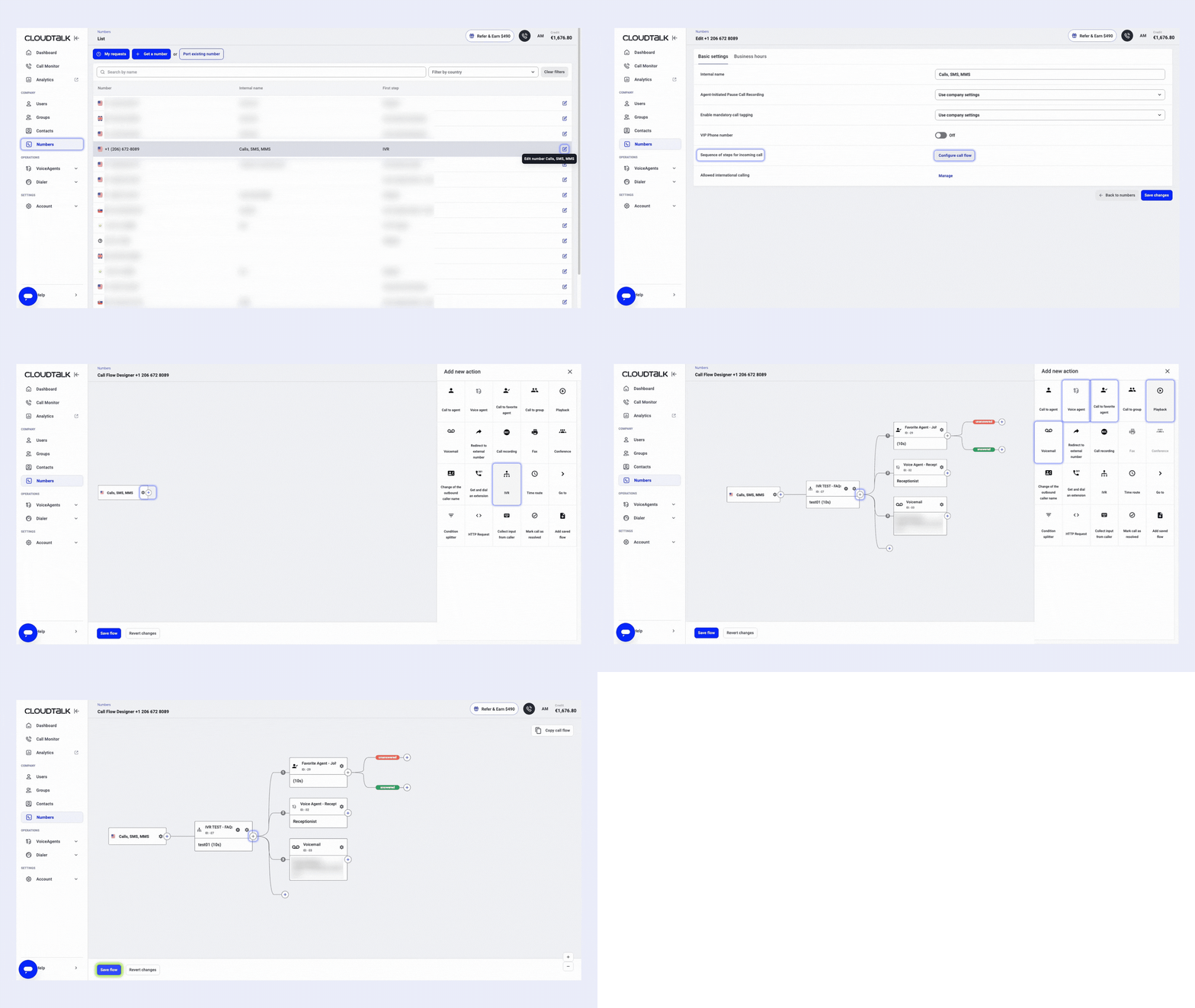
#3 Build Custom Call Flows with IVR
Use the Call Flow Designer to create automated flows that guide callers to the right destination or offer self-service options.
Example:
“Press 1 for service, 2 for sales, 3 to reschedule an appointment.”
This keeps queues moving, even during peak hours.
#4 Sync with Your CRM for Seamless Follow-Up
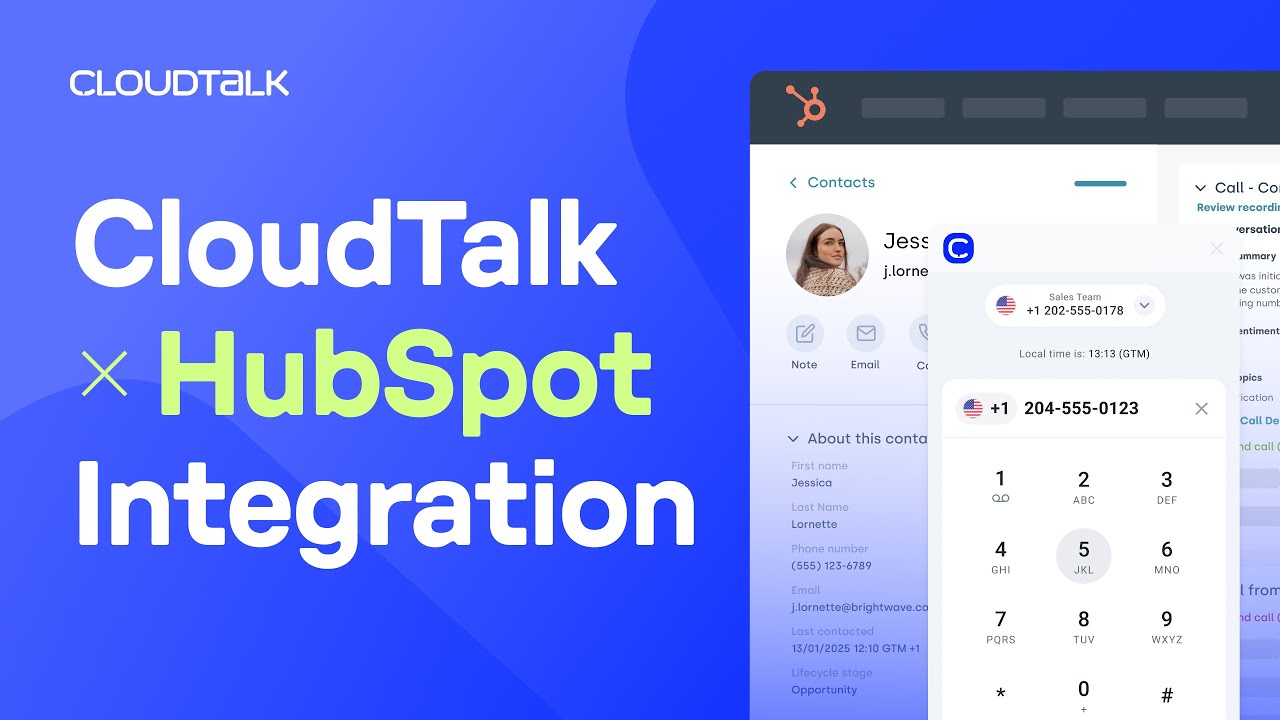
Connect CloudTalk to your CRM (like HubSpot, Salesforce, or Pipedrive) to:
-
Log missed calls as tasks
-
Schedule follow-ups automatically
-
Send contextual SMS or email reminders
That way, nothing gets lost—and your team is always a step ahead.
#5 Monitor and Adjust with Real-Time Analytics
Use CloudTalk’s dashboards to:
-
Track missed call patterns
-
Identify peak call hours
-
Monitor queue performance and agent availability
Then, make real-time staffing or routing adjustments to stay ahead of bottlenecks.

#6 Add AI-Powered Coverage for Off-Hours
Deploy CloudTalk’s AI Voice Agents to answer calls 24/7. These agents can:
-
Respond in multiple languages
-
Capture lead info
-
Handle FAQs or appointment scheduling
This gives you around-the-clock coverage—and gives your team space to focus on complex cases during business hours.

AI Voice Agents

Nudge expiring offer
Riley, Sales Reminder Agent

Qualify a student lead
Avery, Course Inquiry Agent

Get a payment reminder
Casey, Payment Reminder Agent

Qualify a patient lead
Jordan, Healthcare Intake Agent

Qualify insurance lead
Taylor, Insurance Intake Agent

Accept updated terms
Quinn, T&C Acceptance Agent

Qualify legal inquiry
Drew, Legal Intake Agent

Get post-interview feedback
Jamie, Candidate Feedback Agent

Pre-screen a candidate
Skyler, Applicant Pre-screen Agent

Confirm account action
Morgan, Action Reminder Agent

Get a renewal reminder
Logan, Subscription Renewal Agent

Get CSAT after support
Morgan, CX Feedback Agent

Get NPS or demo feedback
Parker, Post-Sales Feedback Agent

Qualify a trial lead
Blake, Trial Signup Qualifier
Sales Reminder
Agent
Client
Sales / Marketing
Course Inquiry
Agent
Client
Education / EdTech
Payment Reminder
Agent
Client
Financial Services
Healthcare Intake
Agent
Client
Healthcare
Insurance Intake
Agent
Client
Insurance
T&C Acceptance
Agent
Client
Legal Services
Legal Intake
Agent
Client
Legal Services
Candidate Feedback
Agent
Client
Recruitment / HR
Applicant Pre-screen
Agent
Client
Recruitment / HR
Action Reminder
Agent
Client
SaaS / Software & Apps
Subscription Renewal
Agent
Client
SaaS / Software & Apps
CX Feedback
Agent
Client
SaaS / Software & Apps
Post-Sales Feedback
Agent
Client
SaaS / Software & Apps
Trial Signup
Qualifier
Client
SaaS / Software & Apps
Recommended articles
Don’t Let Missed Calls Drive Customers Away
In the race to win and keep customers, every unanswered call is a lost opportunity—and possibly a lost sale. In a business where timing and trust make all the difference, missed calls are a silent profit killer.
With CloudTalk, you don’t need a bigger team. From AI call answering to automated routing and CRM follow-ups, CloudTalk gives your dealership the best tools to reduce missed calls and make every lead count.
Because the only thing worse than missing a call… is not knowing you did.
Ready to stop losing leads and start booking more jobs? Try CloudTalk today.
Stop dropping calls. Start filling service bays.
Sources
- Numa Releases 2024 Industry Trends in Auto Service & Repair
- How Many Phone Calls Are You Missing? – Invoca
- The High Cost of Missed Calls for Car Dealerships – Puzzle Auto
- Missed Calls: Hidden Costs and AI Solutions – Dialzara
- How Call Centers Help Small Businesses Increase Sales – Forbes
- How to Win Deals Faster: Statistics You Need to Know – Amplemarket